

Sandra Avila
Great treatment, great staff that organizes your trip, excellent!
Where are you going?
Guests
1 Room — 2 adults
Preferences
—
Few cities are as easy to fall for as Amsterdam. Its 17th-century canals, tall gabled houses and the constant whirr of bicycles set an unhurried rhythm that begs you to wander. Between the Rijksmuseum and a brown café in the Jordaan, this guide helps you decide what to see, when to come and which neighbourhood to call home.

The destination's essentials, hand-picked to spark your trip.
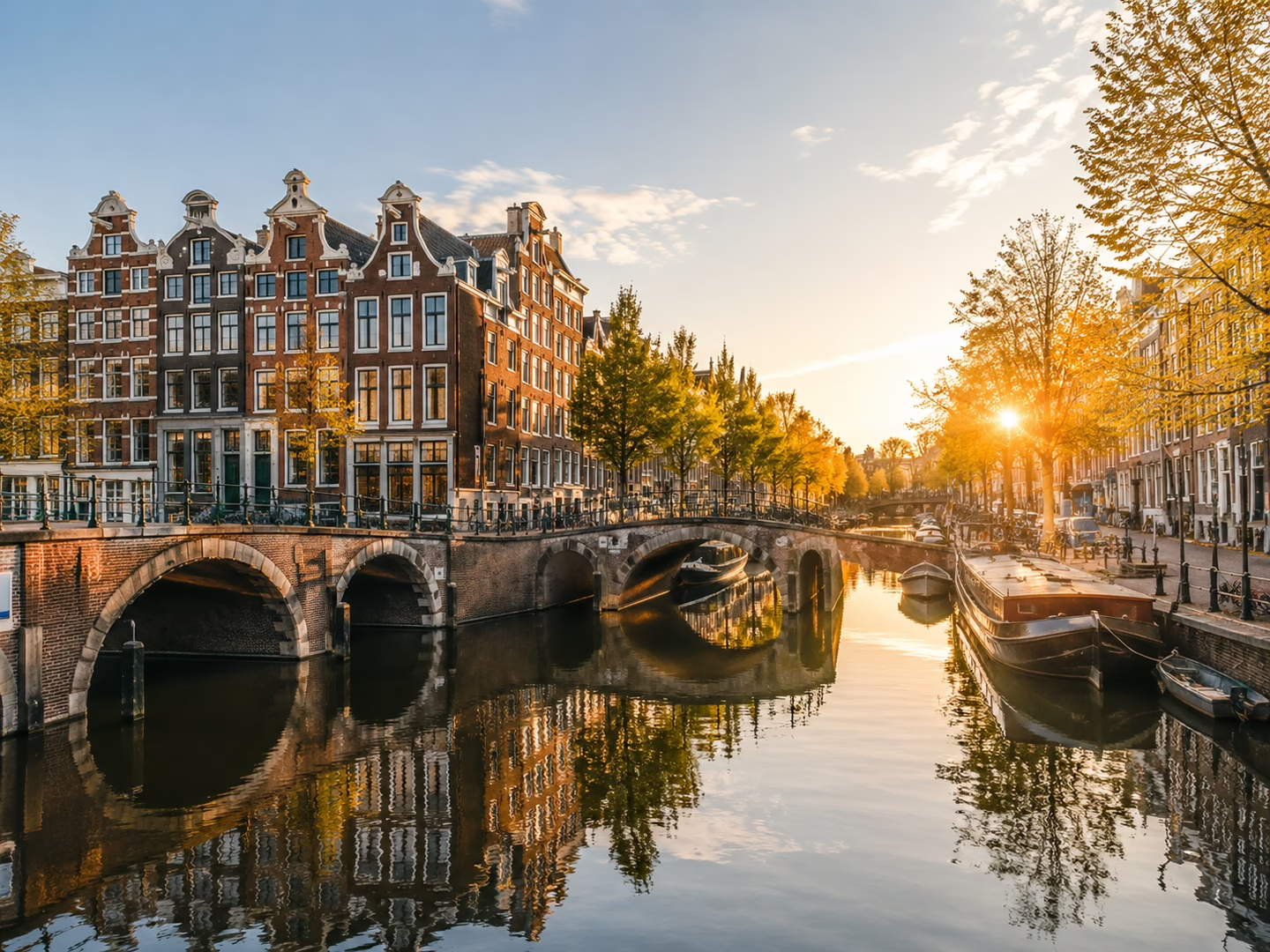
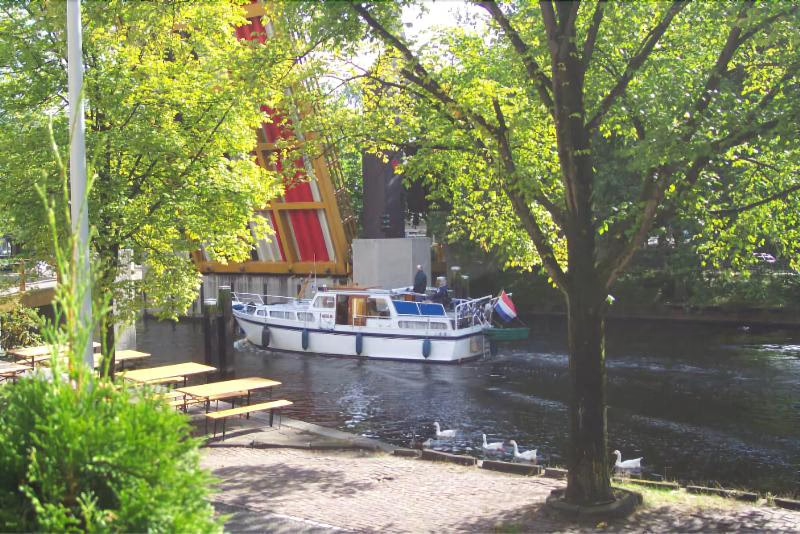
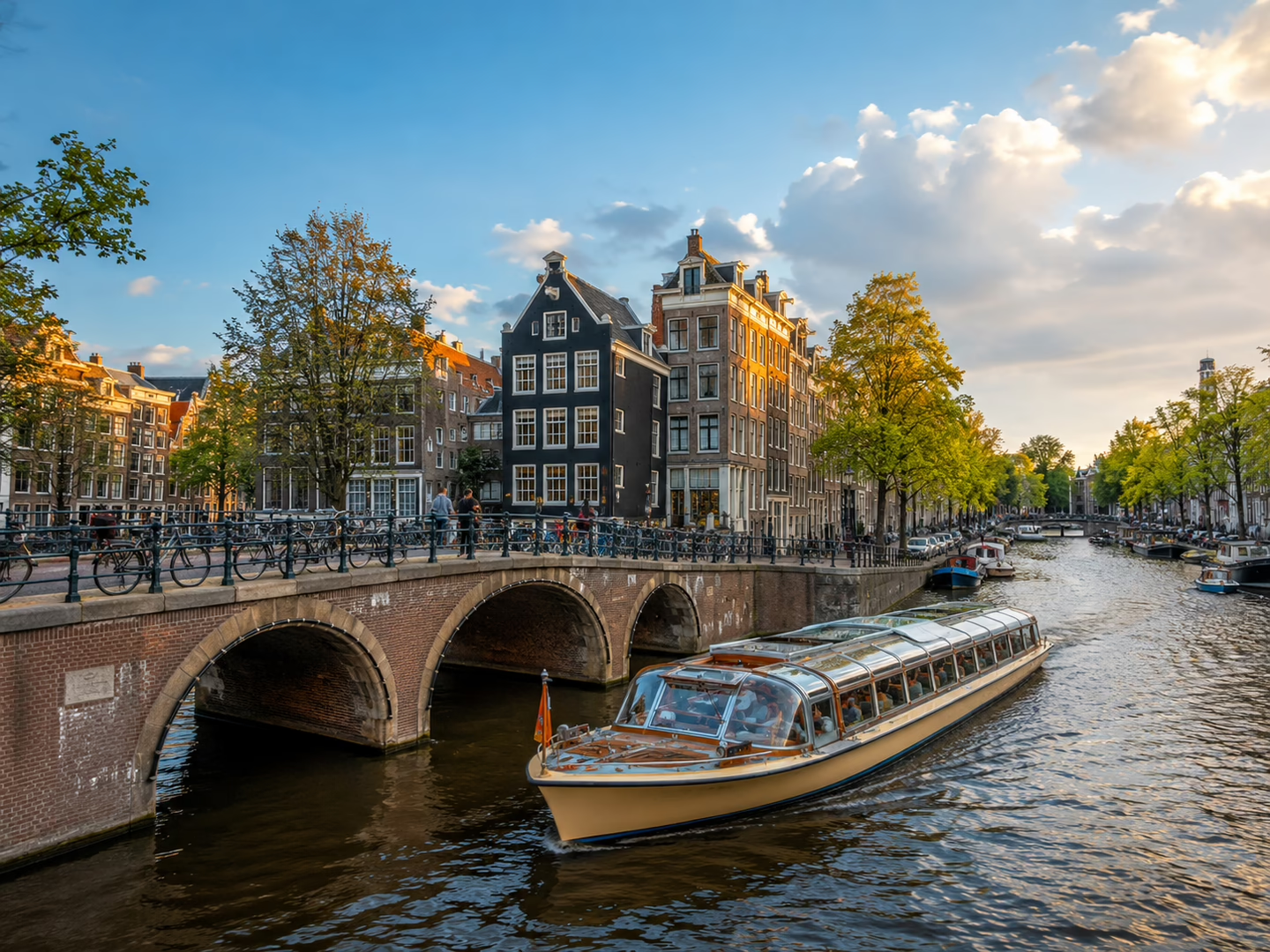
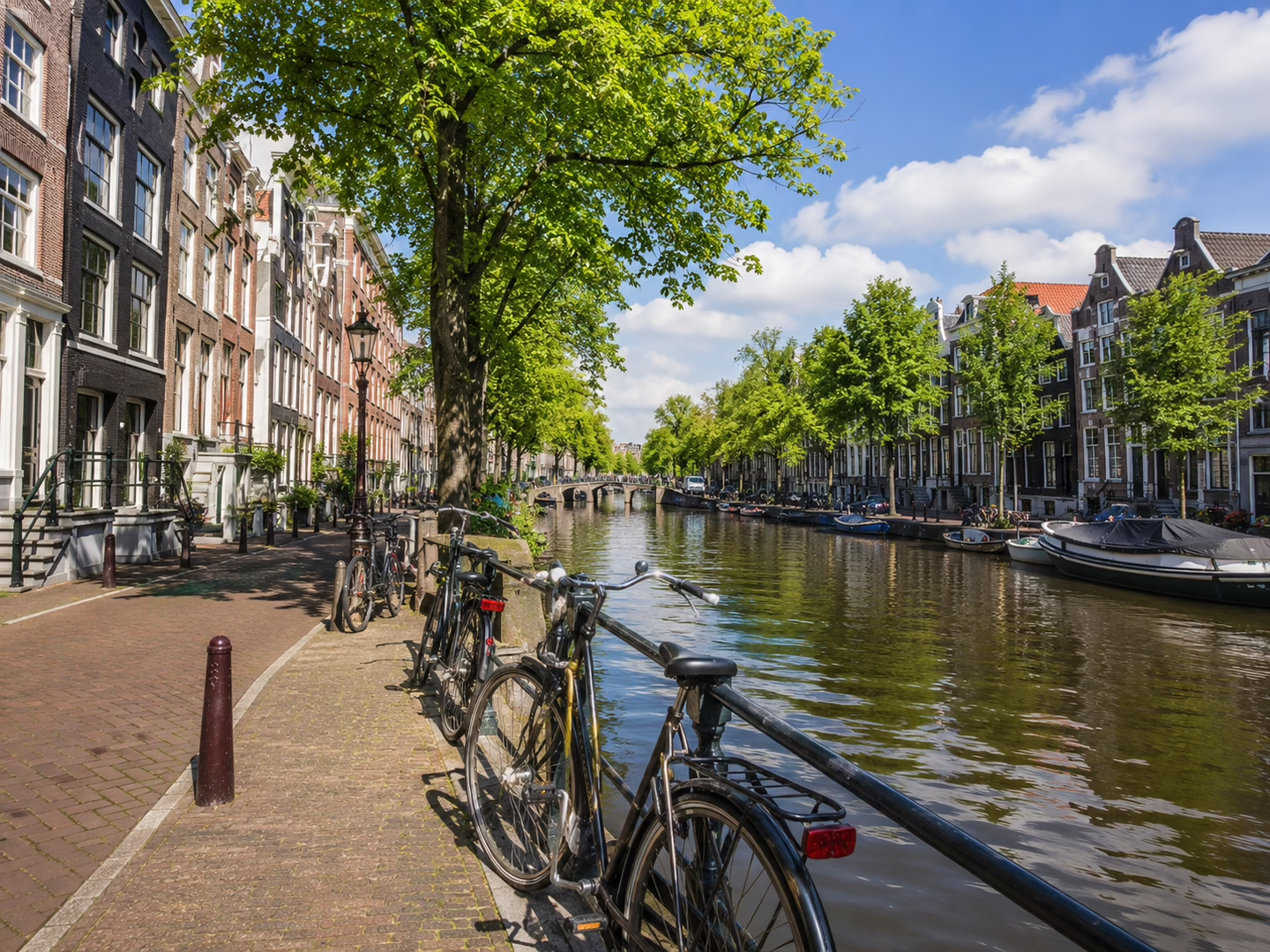
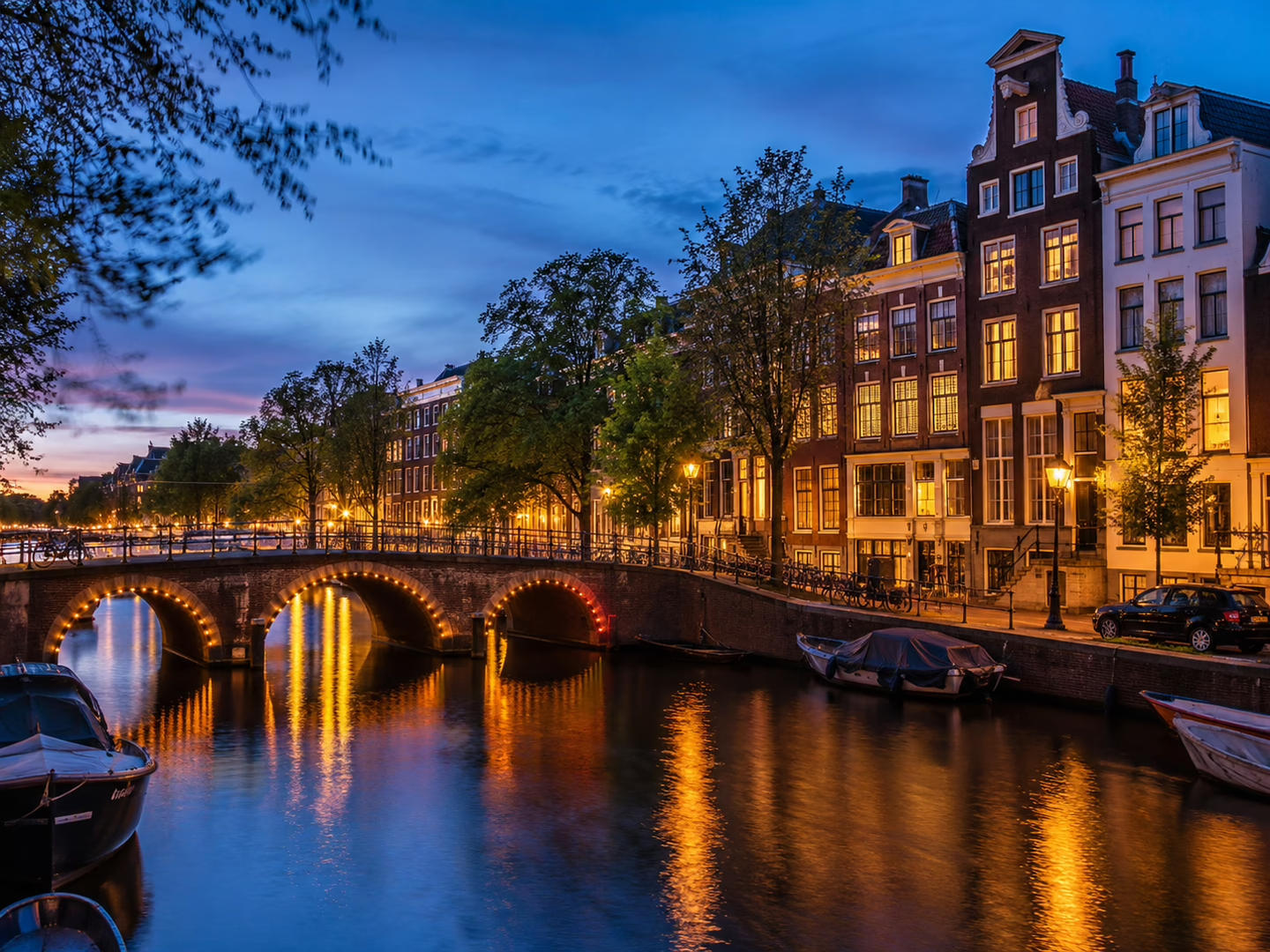
The three great Golden Age canals — Herengracht, Keizersgracht and Prinsengracht — form a half-moon that is a UNESCO World Heritage Site. Walk them or glide through by boat to make sense of the whole city.
The grand national museum spans centuries of Dutch art, with Rembrandt’s “The Night Watch” and several Vermeer masterpieces as its headline works. Its library and gardens deserve time of their own.
In this house on the Prinsengracht, Anne Frank hid and wrote her diary during the Nazi occupation. The visit is sober and deeply moving — one of the experiences travellers remember most.
Amsterdam’s green heart is where the city gathers: cyclists, picnics, buskers and skaters fill its lawns and ponds. In summer it hosts an open-air theatre among the trees.
At the city’s most famous street market you can try fresh-pressed stroopwafels, raw herring with onion and bitterballen. The old brown cafés round off the local food experience.
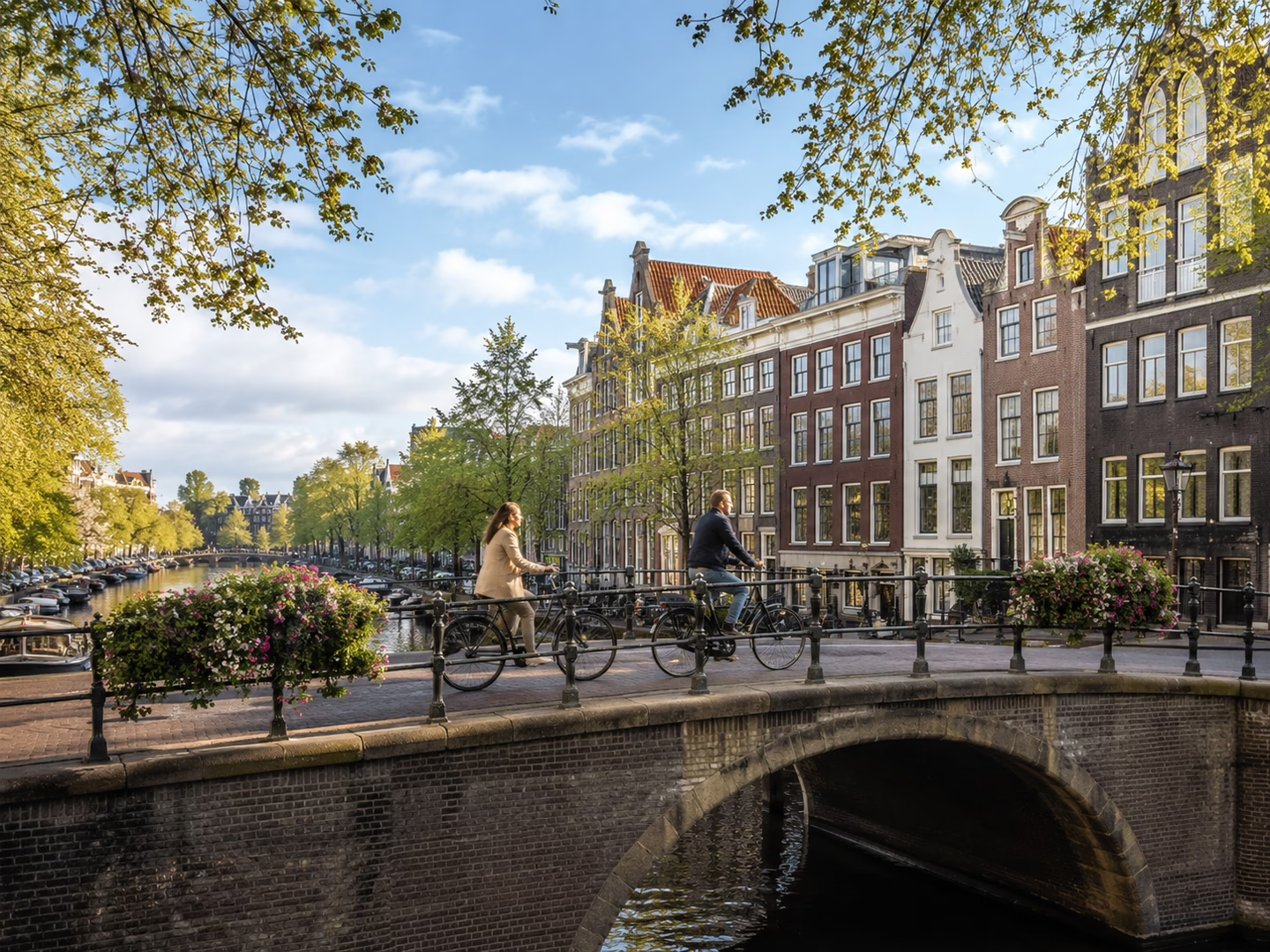
In Amsterdam the bike rules: there are more bicycles than people and a lane network that reaches everywhere. Renting one and pedalling along the canals is the most authentic way to get around.
Amsterdam rewards a visit all year, but it changes a lot with the seasons. Spring and summer bring light and terrace life; autumn and winter offer a cosier city with shorter museum queues.
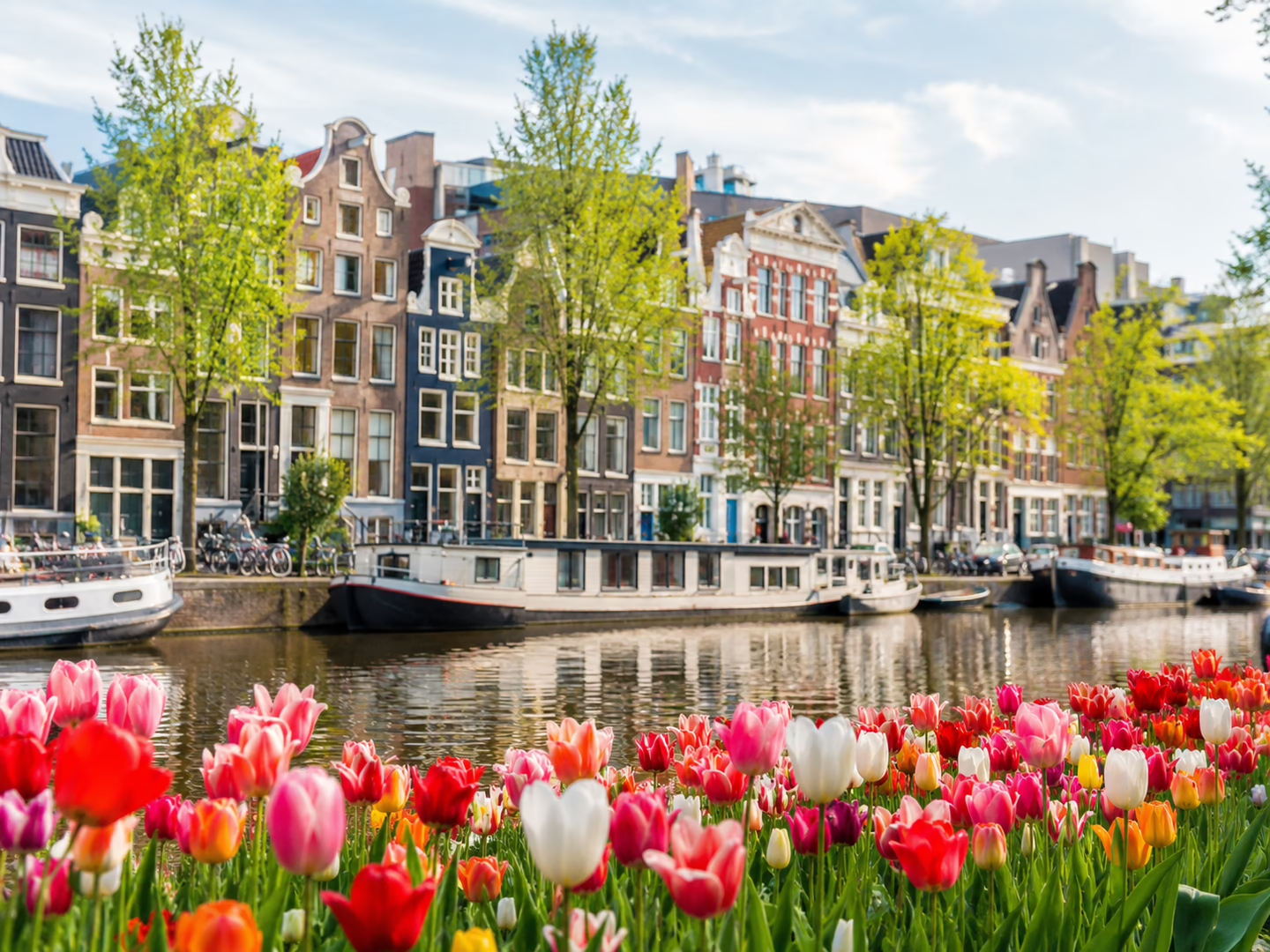
The favourite season for many: tulips bloom in the surrounding fields and at the Keukenhof gardens, the weather turns mild and the city wakes up. On 27 April, King’s Day paints everything orange and fills the canals with celebration.
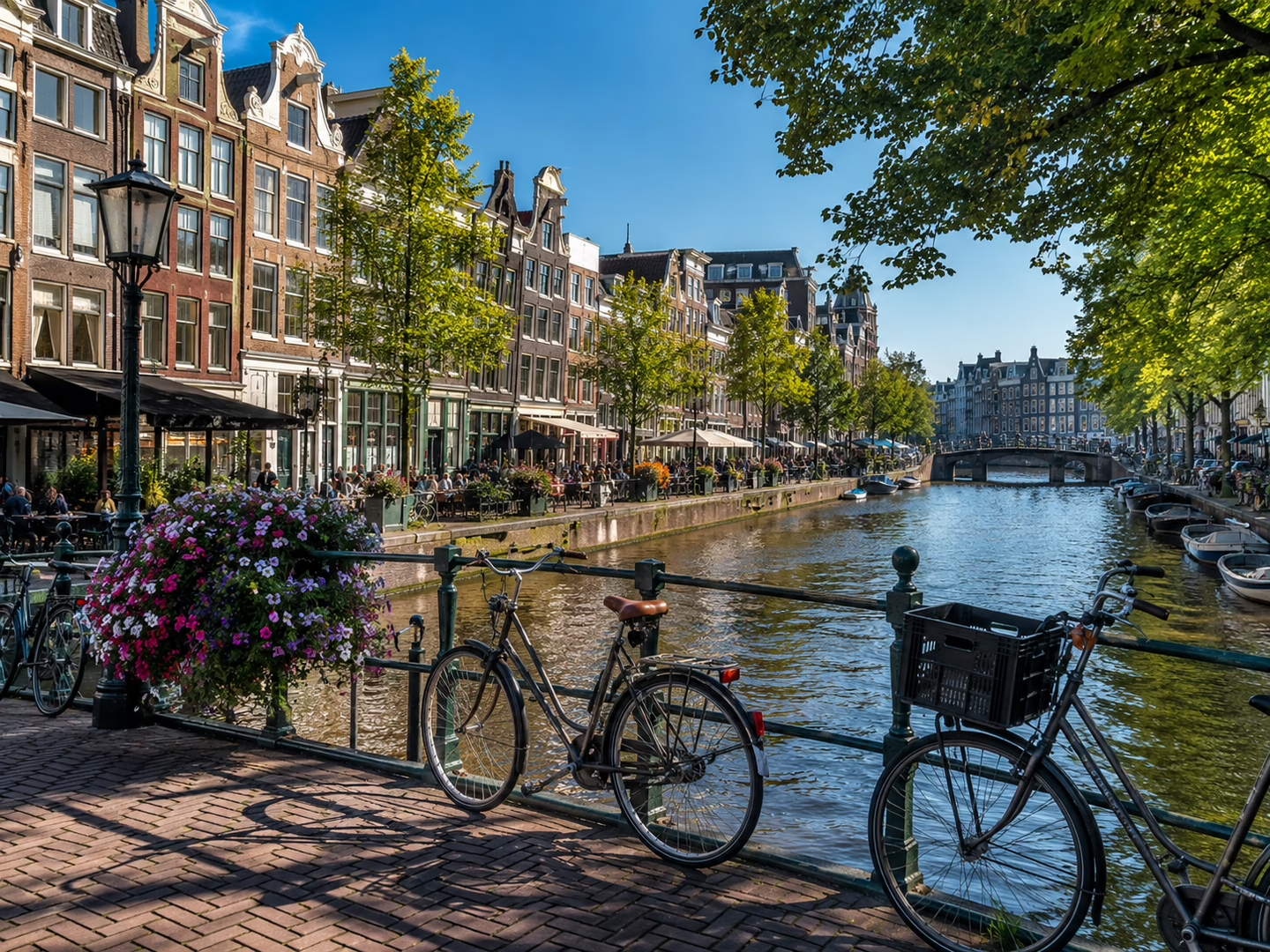
Long days, packed terraces and life on the water. It is the liveliest and also the busiest and priciest season, so book well ahead. The weather is pleasant, though a sudden shower is never far away.
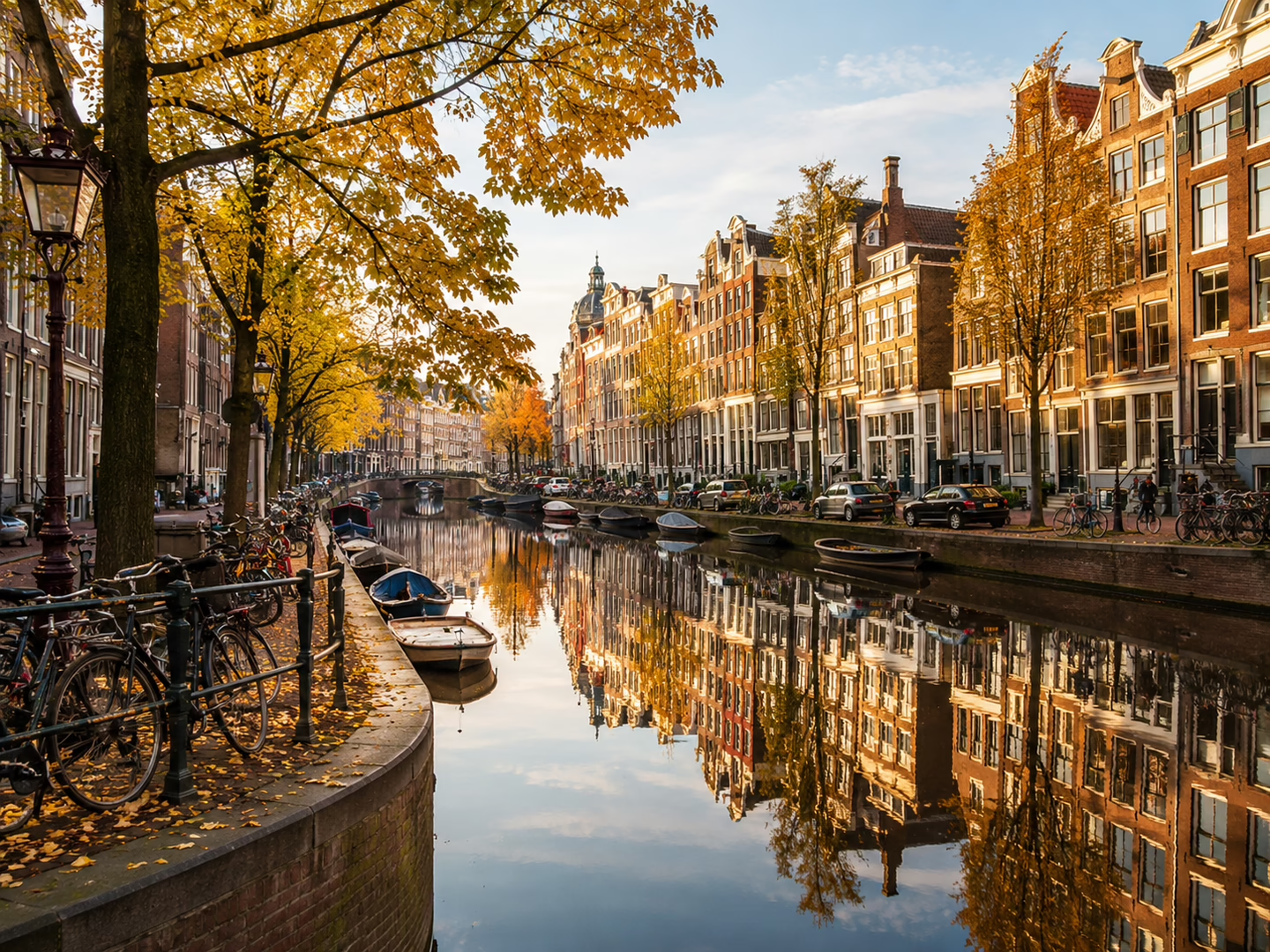
Crowds thin out and golden light suits the canals beautifully. It is a great time for the museums and for taking refuge in a brown café when the rain sets in. Pack warm layers and an umbrella.
Cold, short days and a cosy mood. The city glows during the Amsterdam Light Festival and, in the coldest years, a canal may even freeze over. There are fewer tourists and prices tend to dip outside the holidays.
The neighbourhoods and areas with the most charm to stay in.
The historic core around Central Station, Dam Square and the great canals. It is the most central and picture-perfect base for first-timers, though also the busiest and most expensive.
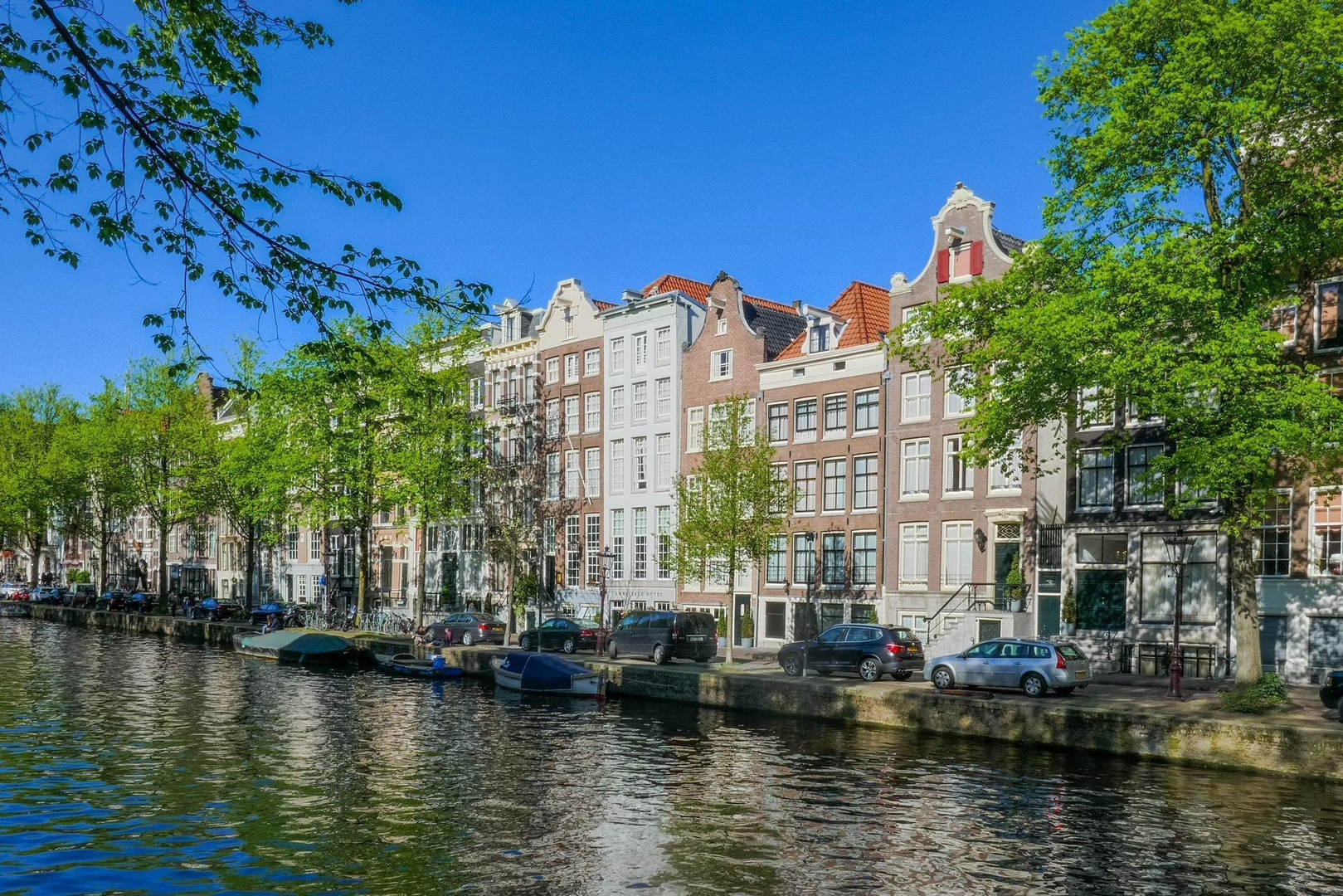
A former working-class district turned local favourite: narrow lanes, galleries, characterful shops and brown cafés. Quiet and romantic — ideal for those chasing the most postcard-like Amsterdam.

Young, multicultural and buzzing around the Albert Cuyp Market. It packs in restaurants and bars and sits close to the centre. Perfect for foodies and anyone who wants atmosphere on the doorstep.

Elegant and calm, around Vondelpark and Museum Square. Home to the Rijksmuseum and the Van Gogh, stately streets and good shopping. A comfortable choice for families and travellers who want peace and quiet.
Across the IJ river, a short hop on the free ferry from Central Station. This is the city’s most creative side, with converted shipyards, the A'DAM tower and rates that tend to be a little gentler.
Our selection: rating, location and that special something.
The small details that make travelling easier.
The centre is walkable and GVB trams, the metro and buses cover the rest. You can tap a contactless card straight onto the reader as you board; check tourist passes on the official transport website.
Cyclists have priority and move fast: never walk in the red bike lane or stop in it for photos. Always look both ways before crossing, even on the smallest streets.
The climate is changeable and rain can fall in any season, with wind off the North Sea. Bring layers, comfortable shoes and a light waterproof; a sturdy umbrella beats a flimsy one in the gusts.
Almost everything is paid by card or phone, and many shops, museums and cafés no longer take cash. Carry an international contactless card and a little change just in case at small stalls.
The Anne Frank House and the Van Gogh Museum run on timed entry and sell out days or weeks ahead. Buy on their official websites as soon as you have dates to secure a slot.
Dutch is the official language, but English is spoken fluently almost everywhere. A “dank je wel” (thank you) always goes down well and breaks the ice with locals.
Glimpses of the destination to whet your appetite.
Three or four days cover the essentials without rushing: the major museums, a canal walk or cruise, and time to enjoy neighbourhoods like the Jordaan or De Pijp. If you want day trips to the tulips, the Zaanse Schans windmills or Utrecht, add a day or two.
Thousands of travellers already trust us