
Sandra Avila
Great treatment, great staff that organizes your trip, excellent!
Where are you going?
Guests
1 Room — 2 adults
Preferences
—
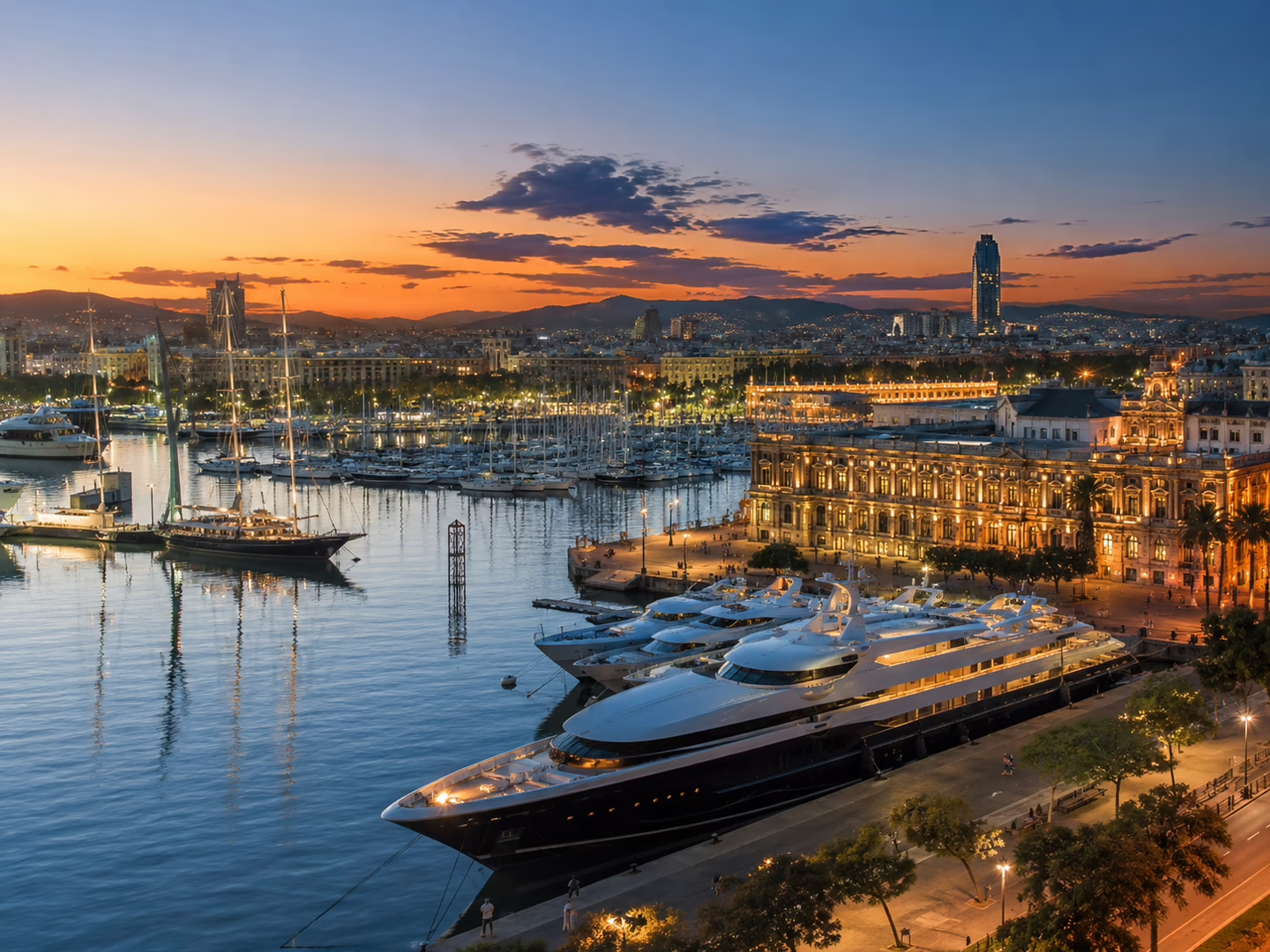
Few cities blend a city beach, Modernisme and street life like Barcelona. The towers of the Sagrada Família rise above the balconies of the Eixample, the Barri Gòtic hides medieval squares a short walk from the sea, and every evening ends with tapas and a glass of vermouth. This guide gets you oriented: what to see, when to come and which neighbourhood to sleep in.
The destination's essentials, hand-picked to spark your trip.

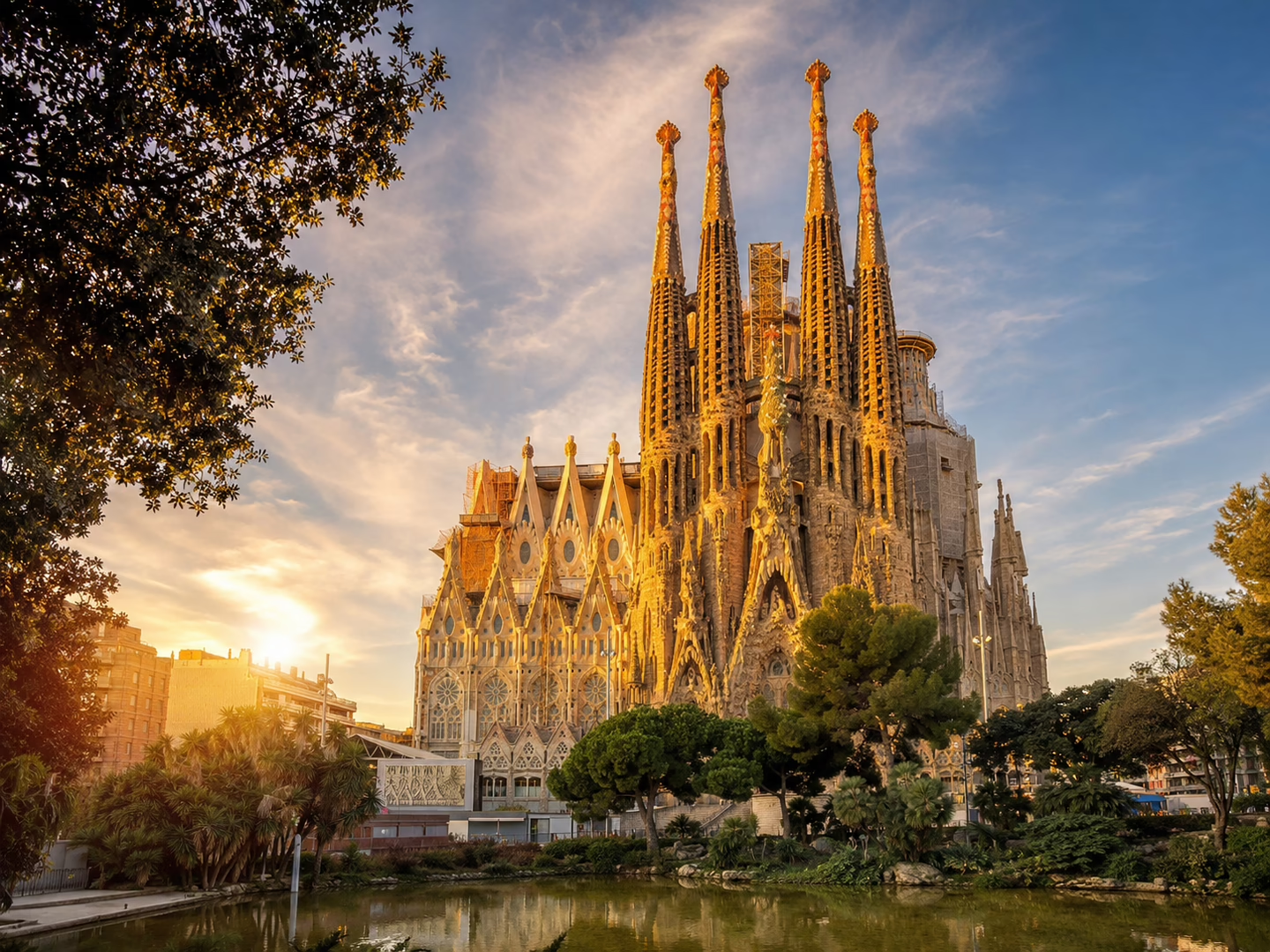
Antoni Gaudí's unfinished basilica is the city's emblem: a forest of stone under construction since 1882, with facades that tell the life of Christ and a canopy of coloured columns inside.
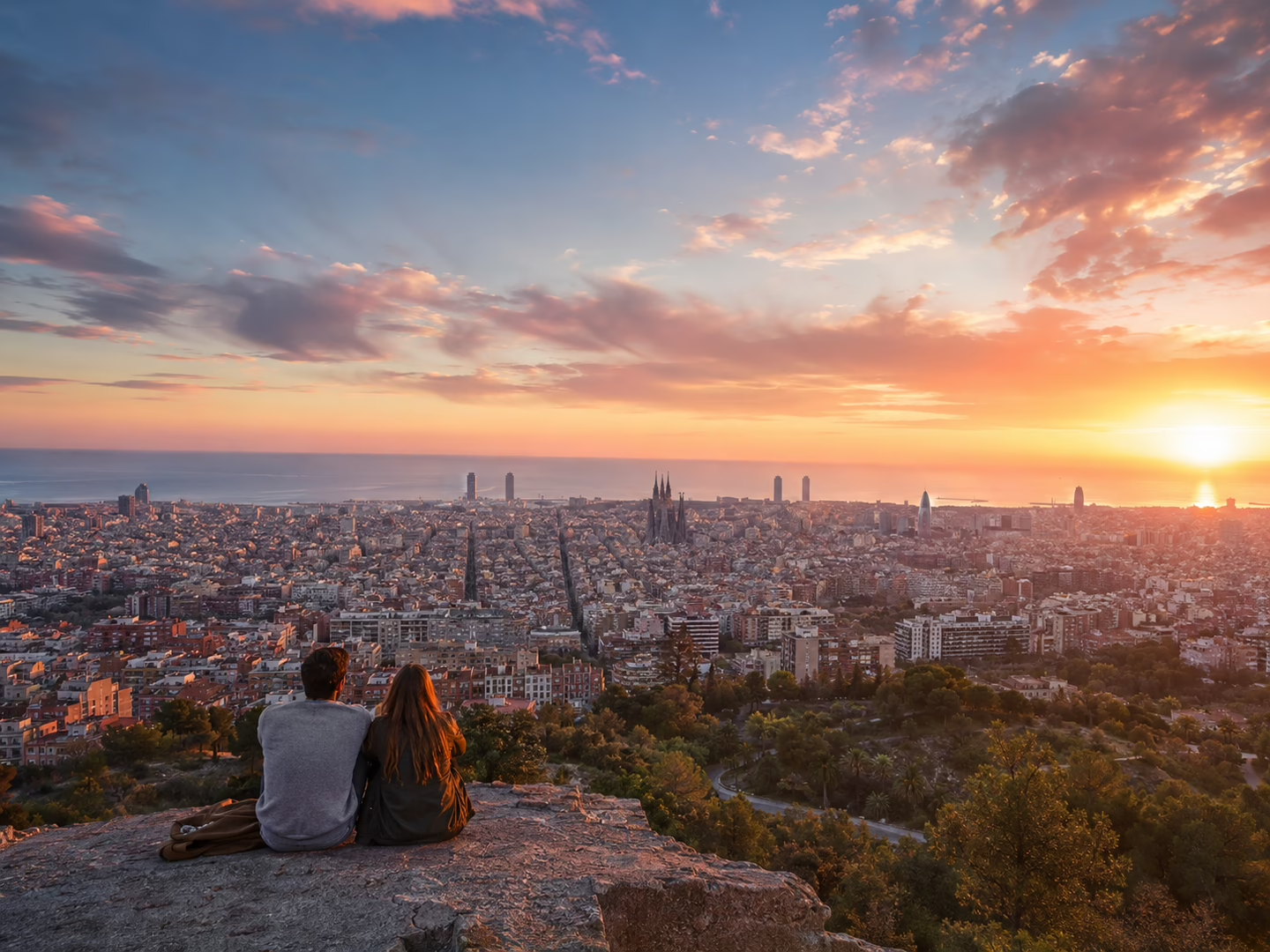
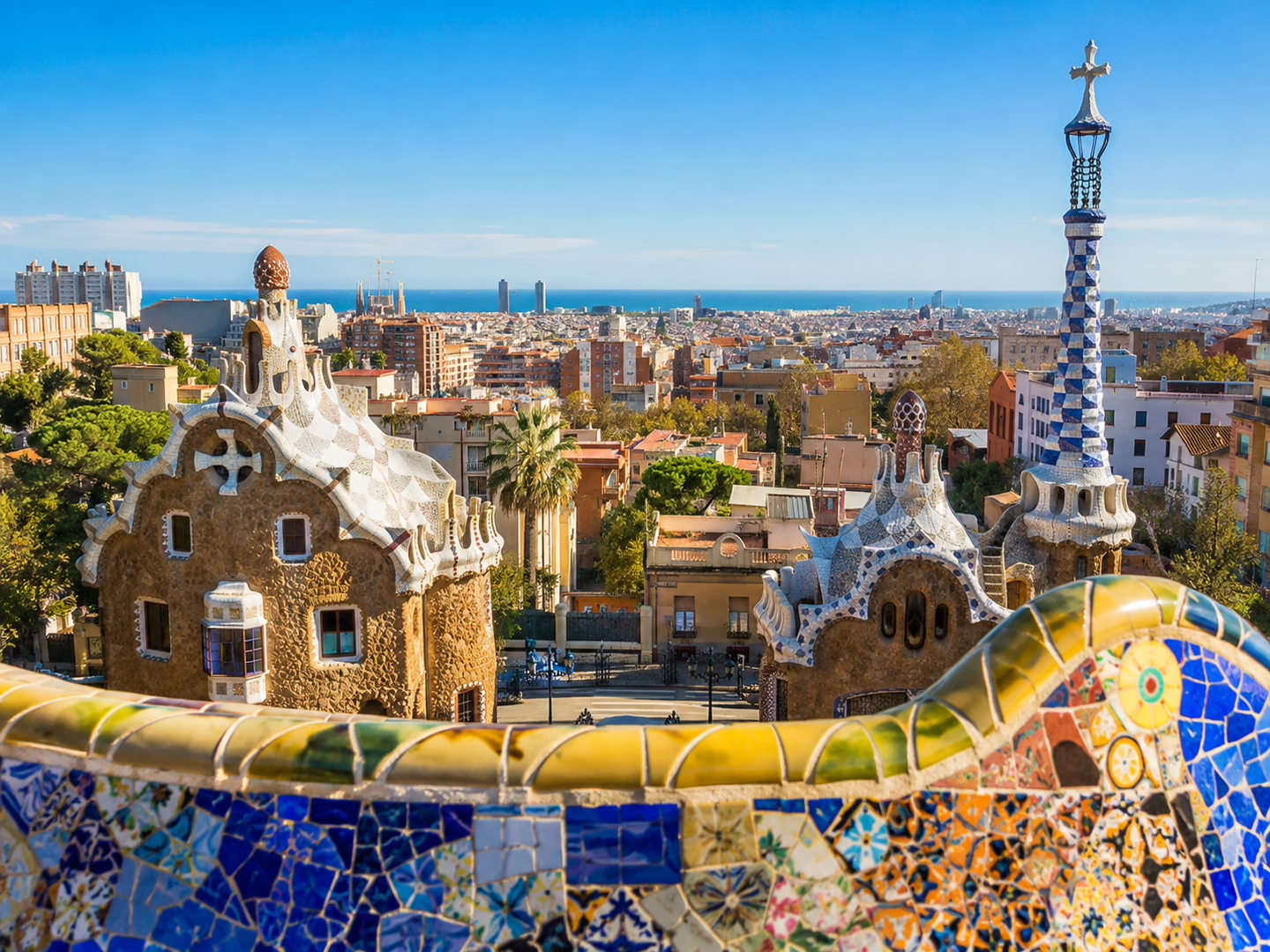
Gaudí's hillside park crowns the city with undulating trencadís benches, the famous mosaic salamander and terraces that open onto the skyline and the sea. An open-air Modernisme manifesto.
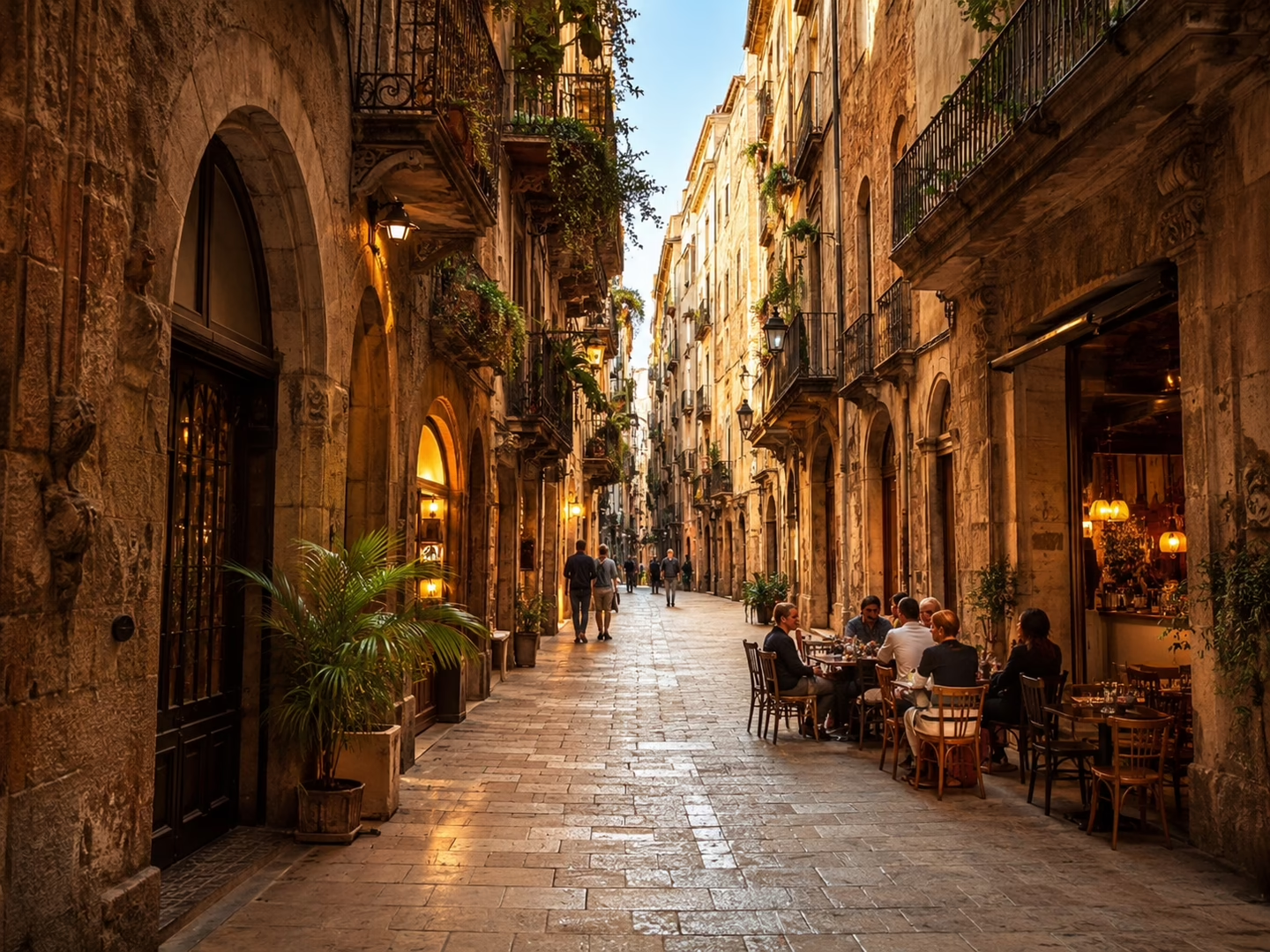
Barcelona's medieval heart is a maze of narrow lanes, hidden courtyards and the Gothic cathedral. It is best explored slowly on foot, letting yourself get lost among stone and café terraces.
From La Boqueria beside Las Ramblas to the neighbourhood bars, Catalan cooking lives in pa amb tomàquet, fresh seafood and a mid-morning vermouth. Eating here is an outing in itself.
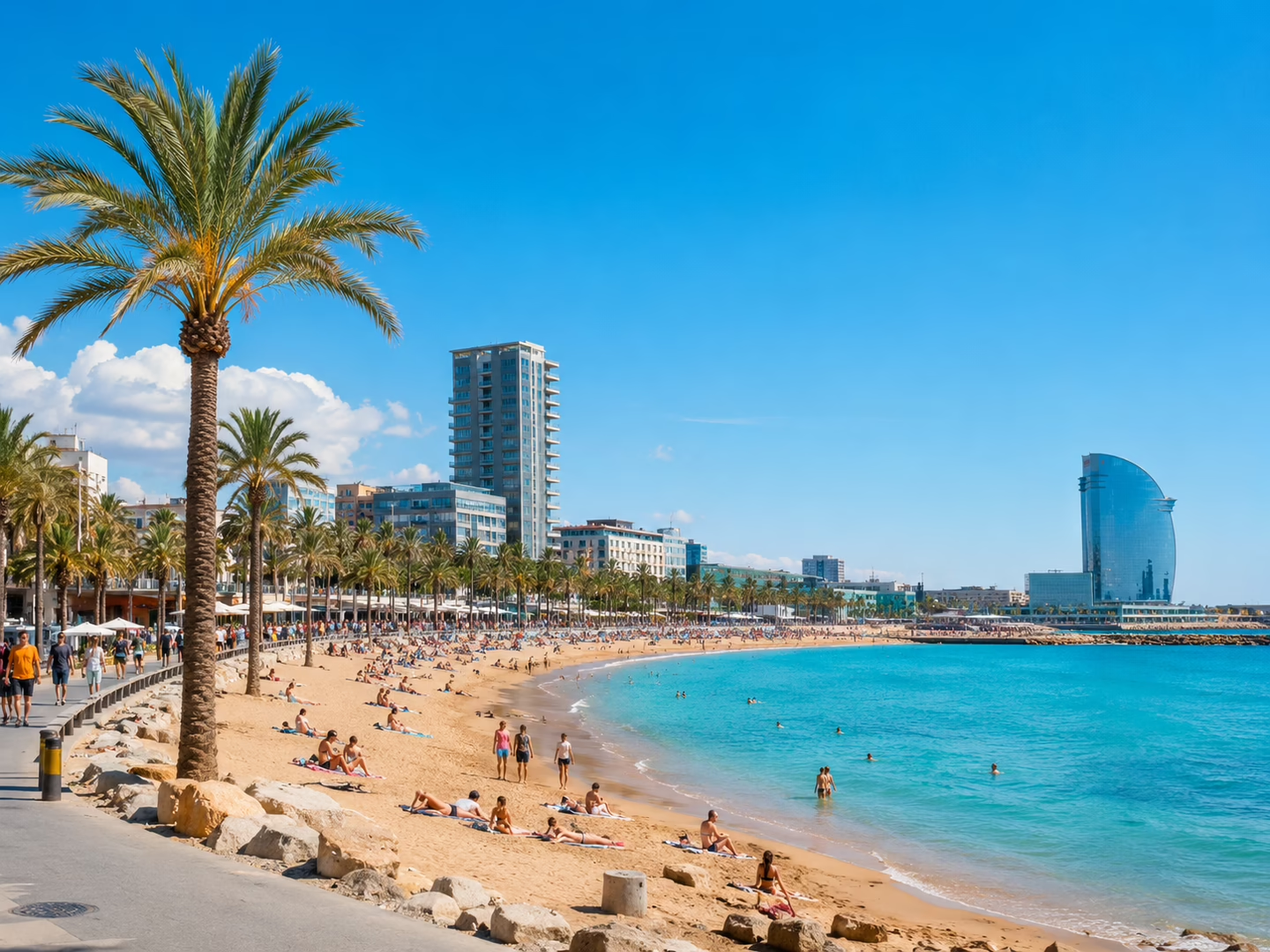
Barcelona is one of the few big cities with a beach in the centre. Barceloneta and the shoreline up to the Fòrum offer sand, beach bars and a seafront promenade steps from the old town.
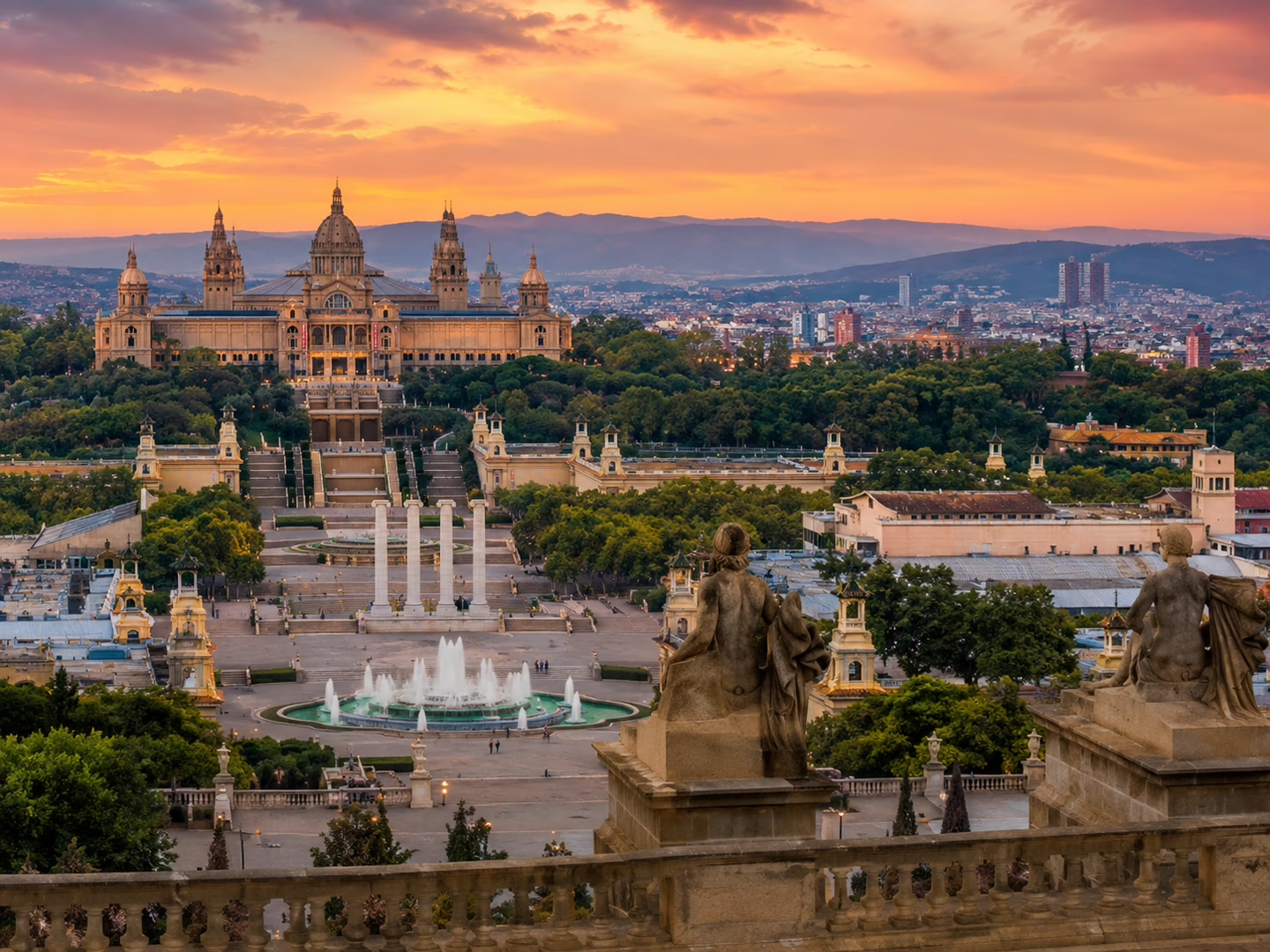
The hill above the harbour gathers gardens, museums, a castle and the Magic Fountain. Reached by cable car or funicular, it rewards you with the finest panorama of the city and the Mediterranean.
Barcelona enjoys a Mediterranean climate: warm summers, mild winters and sunshine almost all year round. Spring and autumn are the most balanced seasons; summer concentrates the heat and the crowds.
For many, the best time to visit: pleasant temperatures, open-air terraces and fewer crowds than summer. Ideal for wandering the Gòtic and touring Gaudí's work without the peak-season queues.
Heat, humidity and beach mood at full tilt. The city is packed and the star sights get crowded, but the open-air nights, sea swims and neighbourhood festivals more than make up for it.
September keeps the sea warm and the Mercè festival fills the streets. As autumn deepens the crowds thin and the light turns golden: a comfortable season for city sightseeing.
Mild compared with the rest of Europe, with cool but often sunny days. Fewer tourists and calmer museums: a low-season sweet spot for living the city at a local pace, queue-free.
The neighbourhoods and areas with the most charm to stay in.
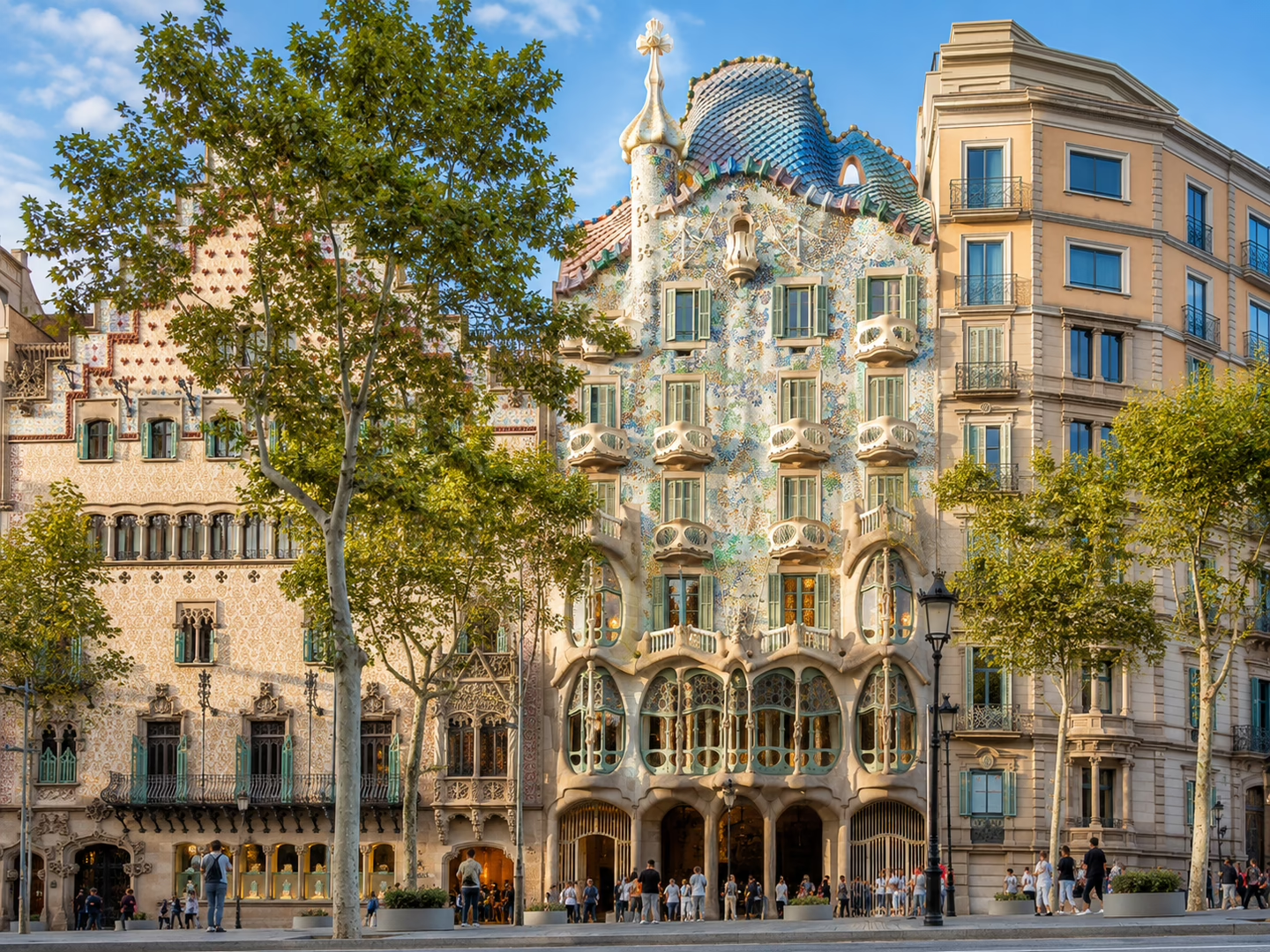
The Modernista grid of straight streets and chamfered blocks holds the Sagrada Família, La Pedrera and Casa Batlló. Central, elegant and well connected: the easiest choice for a first visit.
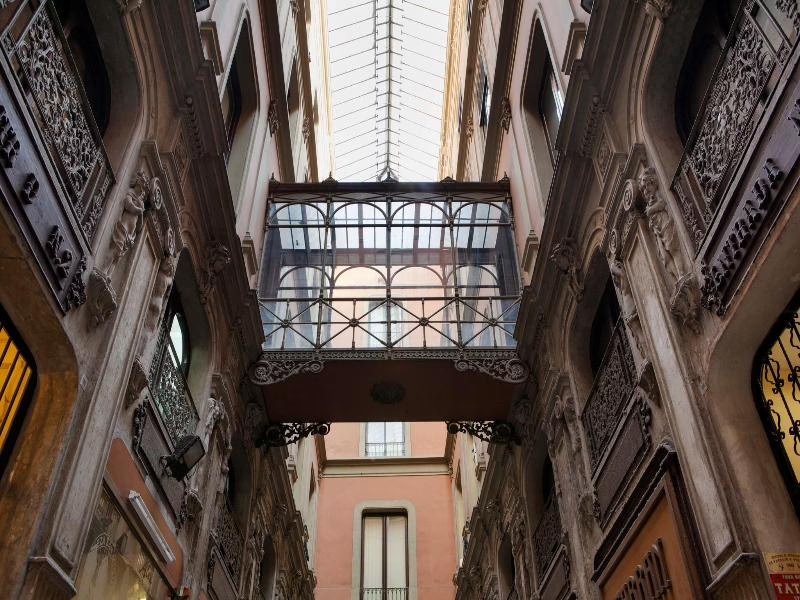
The old town, between Las Ramblas and the sea, is pure atmosphere: medieval lanes, bars and everything within walking distance. Perfect if you want the buzz, though it can be noisy at night.
The former fishermen's quarter puts the beach, seafood and seafront promenade at your doorstep. Ideal if you want sun and sea without straying far from the centre; lively in summer.


A former village woven into the city, with lively squares, independent shops and a bohemian, local feel. It charms travellers who prefer an authentic, laid-back Barcelona away from the big icons.
Our selection: rating, location and that special something.
The small details that make travelling easier.
The metro connects almost everything and the centre is easy to walk. For several rides, a multi-journey travel pass works out well; check the current fares on the TMB website.
Barcelona is safe, but pickpockets work Las Ramblas, the metro and busy spots. Wear your bag closed and in front, and don't leave your phone unattended on café terraces.
The Sagrada Família, Park Güell and Casa Batlló often sell out and form long lines. Buy online in advance and choose a time slot so you don't miss out.
Lunch is around two in the afternoon and dinner starts from nine. Many kitchens close between services; if hunger strikes earlier, fall back on tapas, sandwiches or the markets.
Catalan is the local language and you'll see it on signs and menus, but Spanish is spoken everywhere and English works in tourist areas too. A simple bon dia always goes down well.
Glimpses of the destination to whet your appetite.
Three or four full days cover the essentials: Gaudí's work, the old town, a market and the beach. If you want museums, a day trip to Montserrat or the Costa Brava and an unhurried pace, plan for five.
Thousands of travellers already trust us