
Sandra Avila
Great treatment, great staff that organizes your trip, excellent!
Where are you going?
Guests
1 Room — 2 adults
Preferences
—
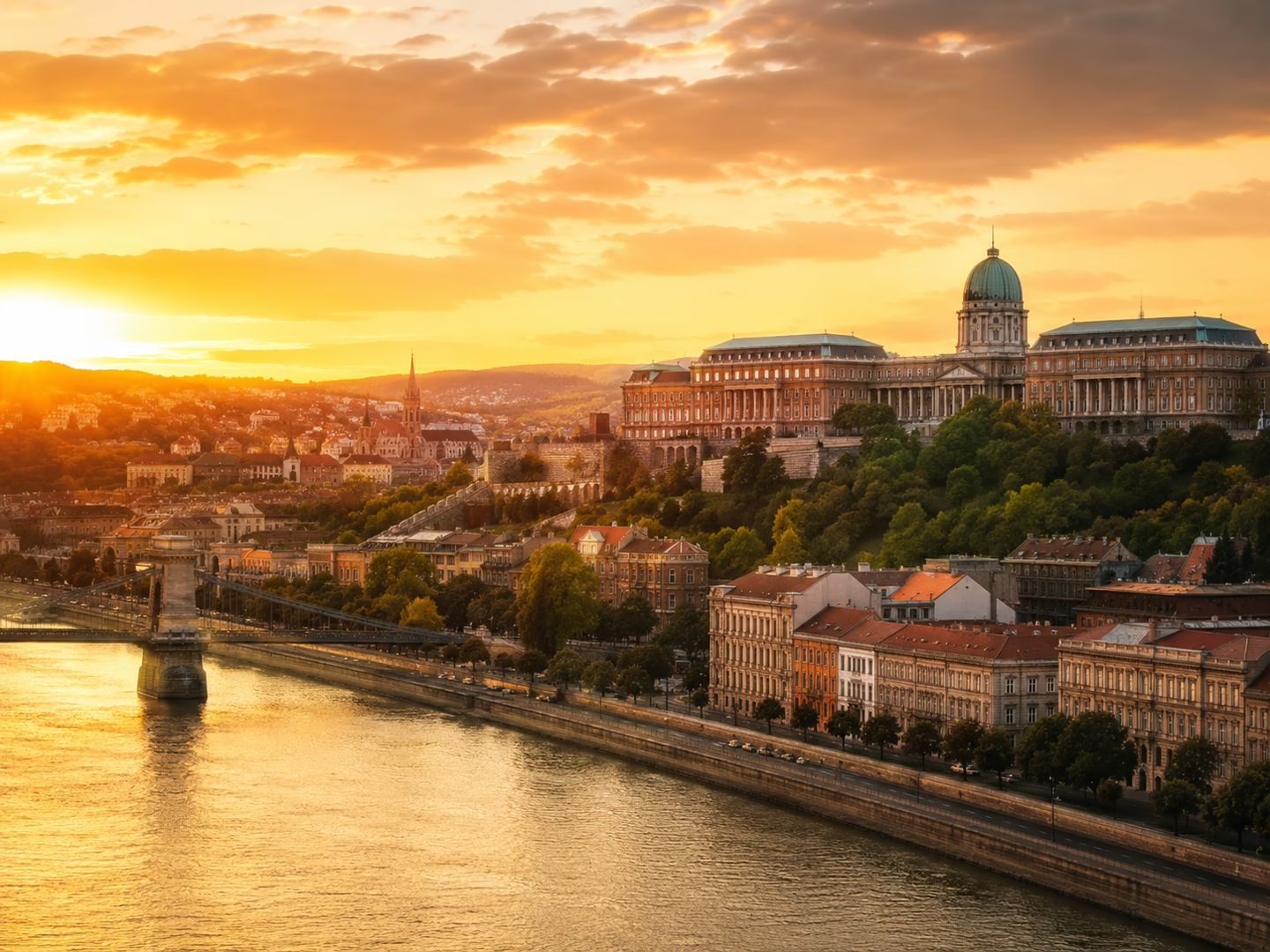
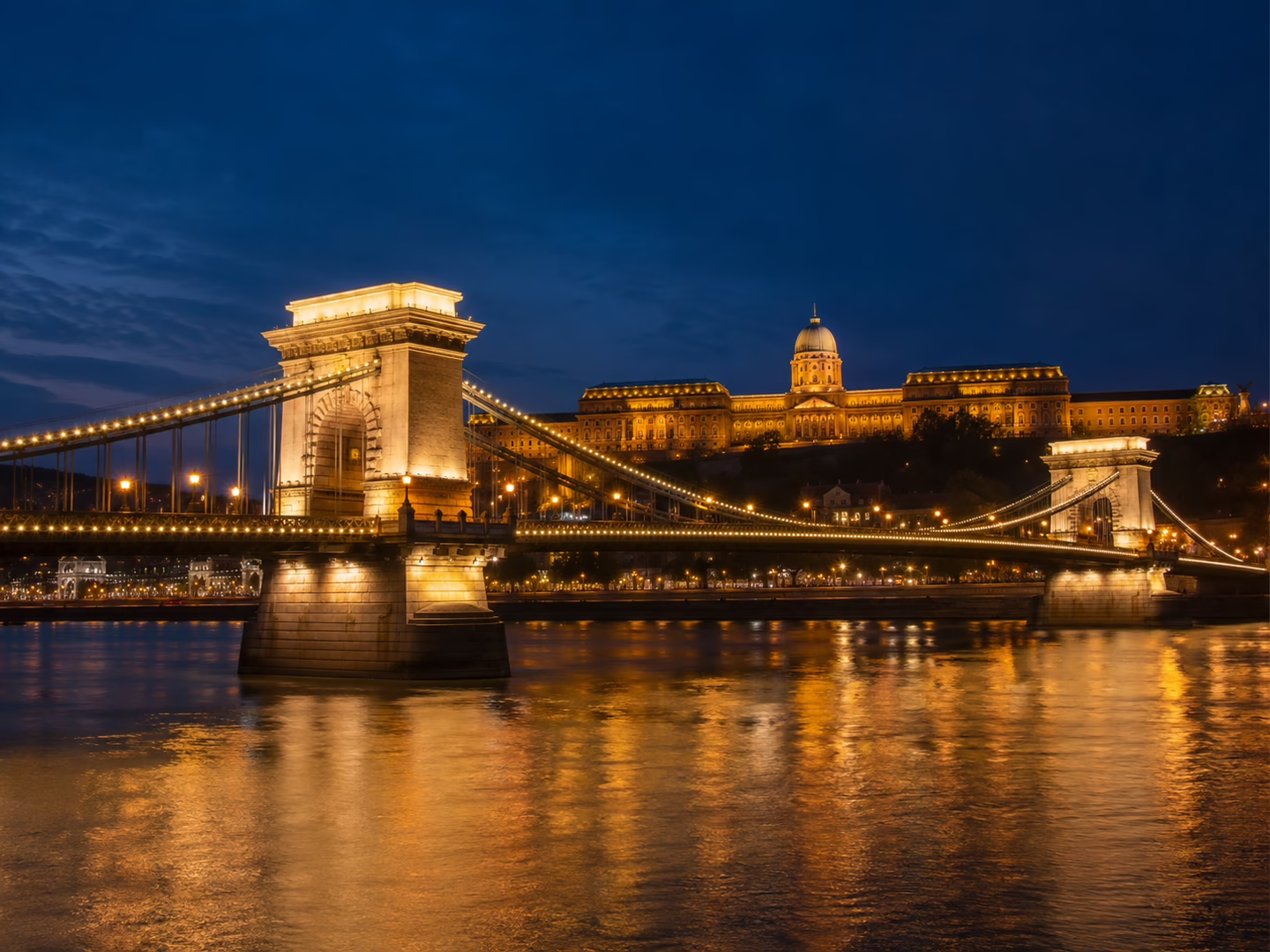
Two cities on the Danube: hilly, castle-crowned Buda and flat, buzzing Pest, joined by the Chain Bridge. Here breakfast can end in a 1913 bathhouse, the afternoon in a café under chandeliers and the night in a ruin bar in the Jewish Quarter. This guide walks you through the essentials and where to stay to enjoy it without rushing.
The destination's essentials, hand-picked to spark your trip.
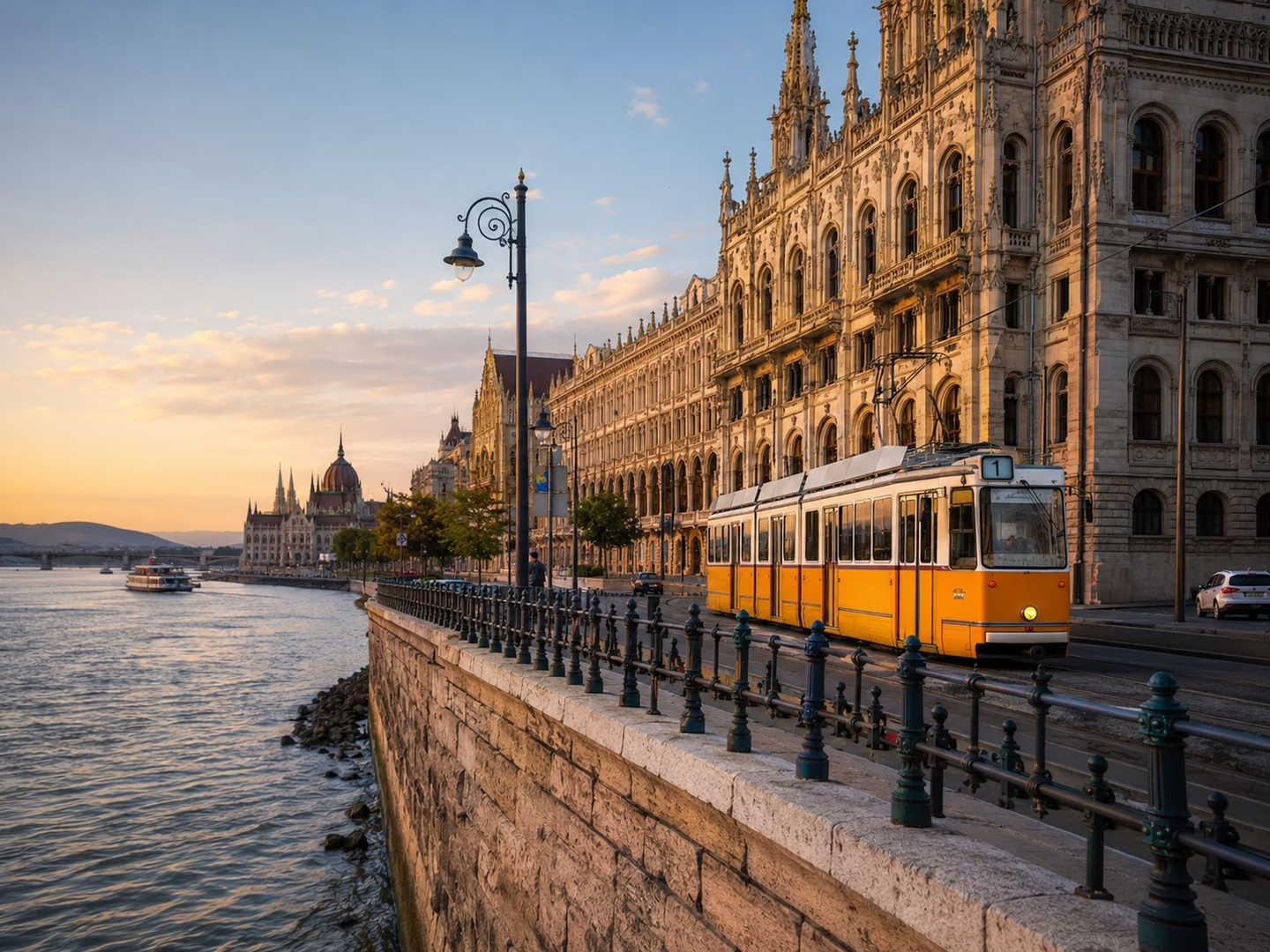
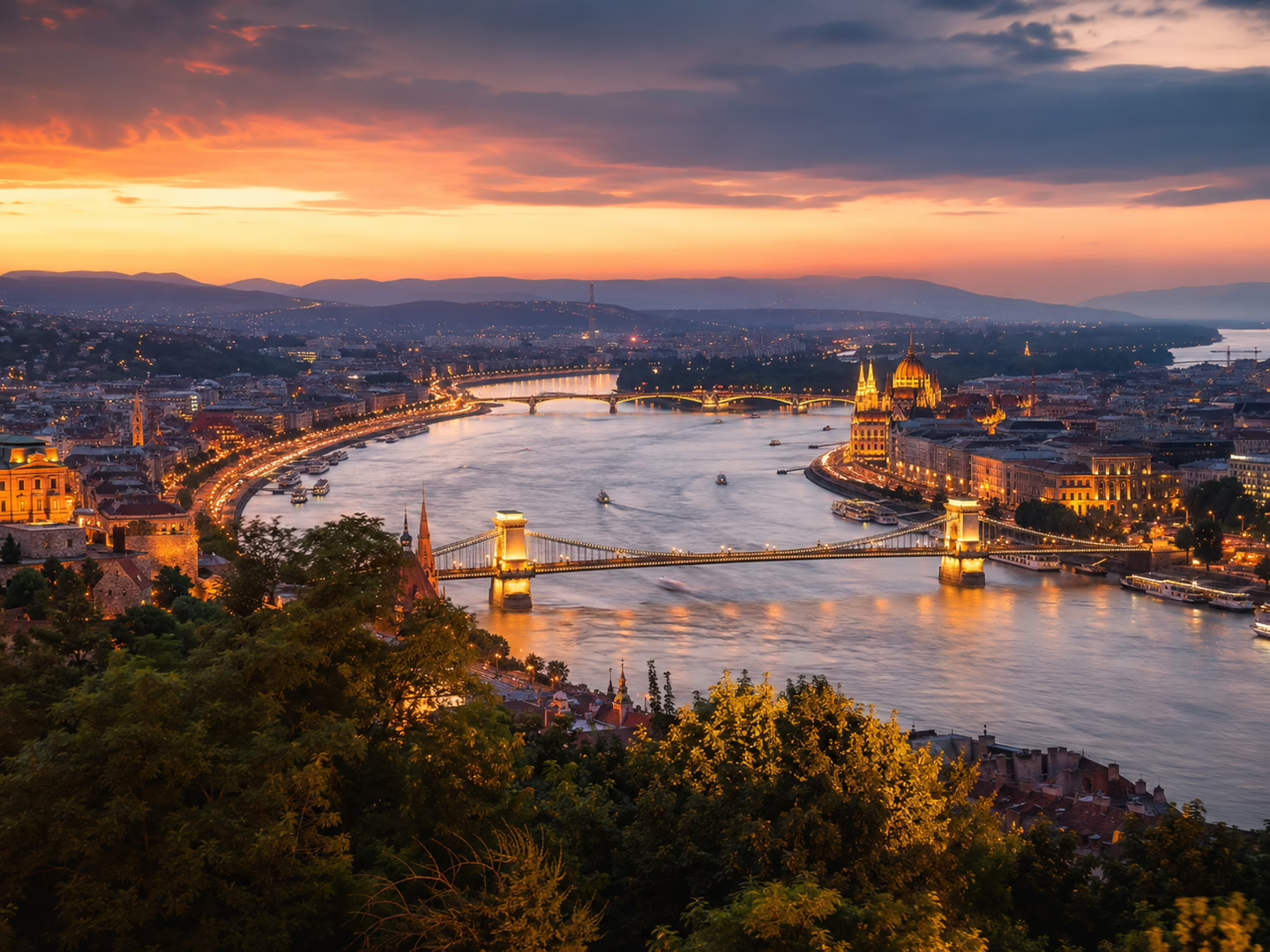
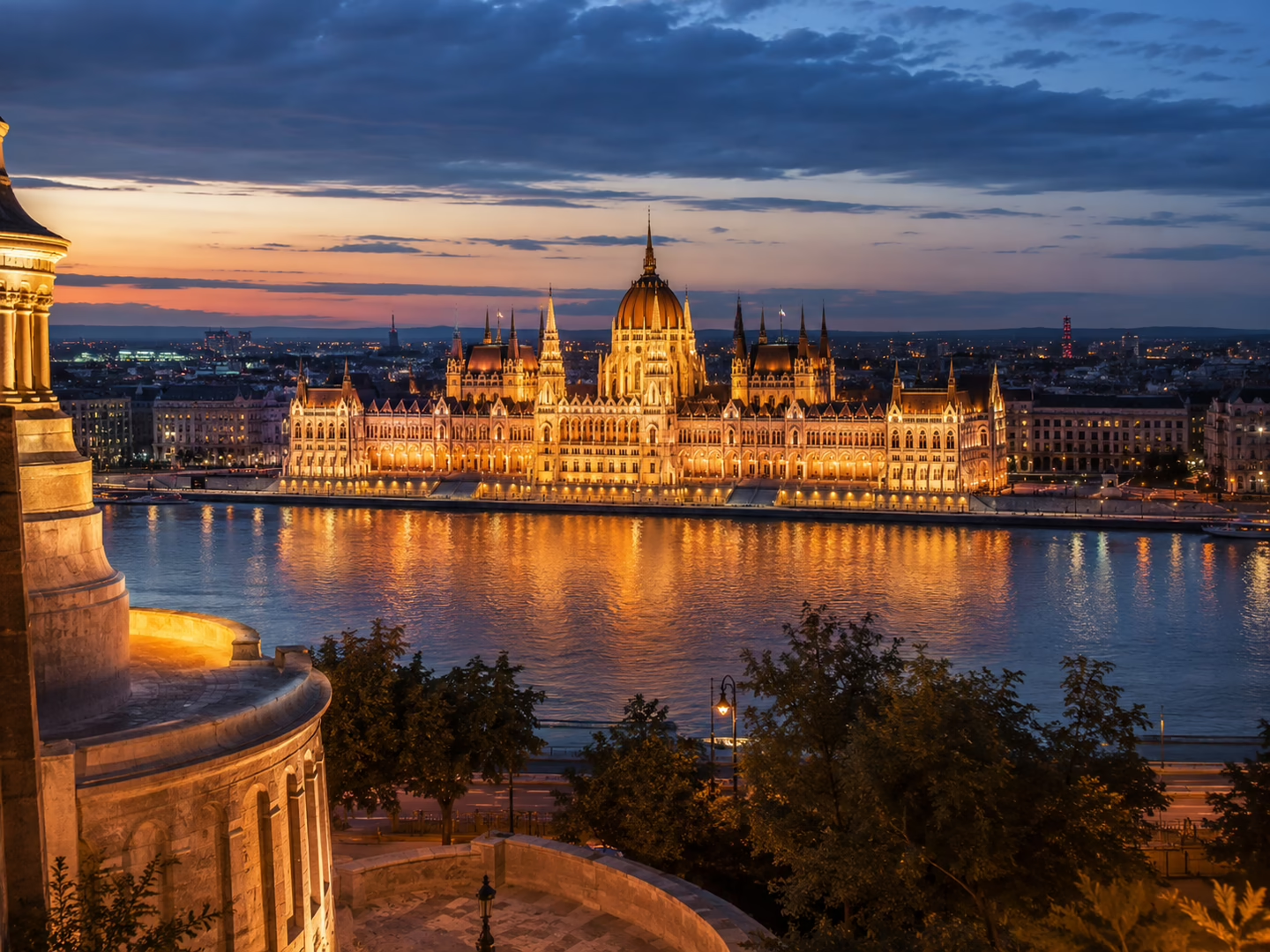
A 268-metre neo-Gothic silhouette on the Danube, one of the largest legislative buildings in Europe. Floodlit over the water at night, it is the city's definitive postcard.
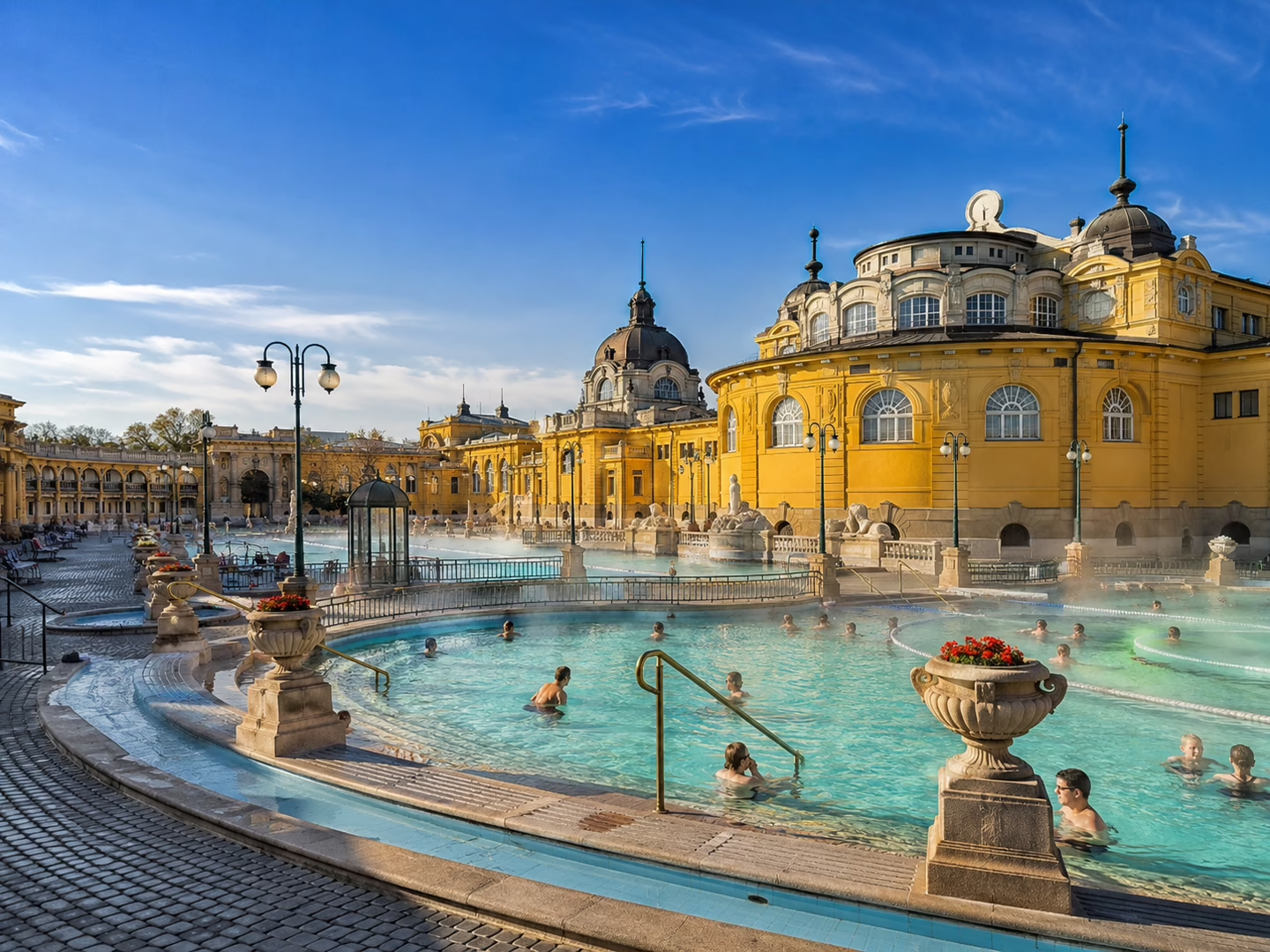
Budapest sits on more than a hundred thermal springs. The yellow-fronted Széchenyi in City Park and the art nouveau Gellért are the most celebrated.
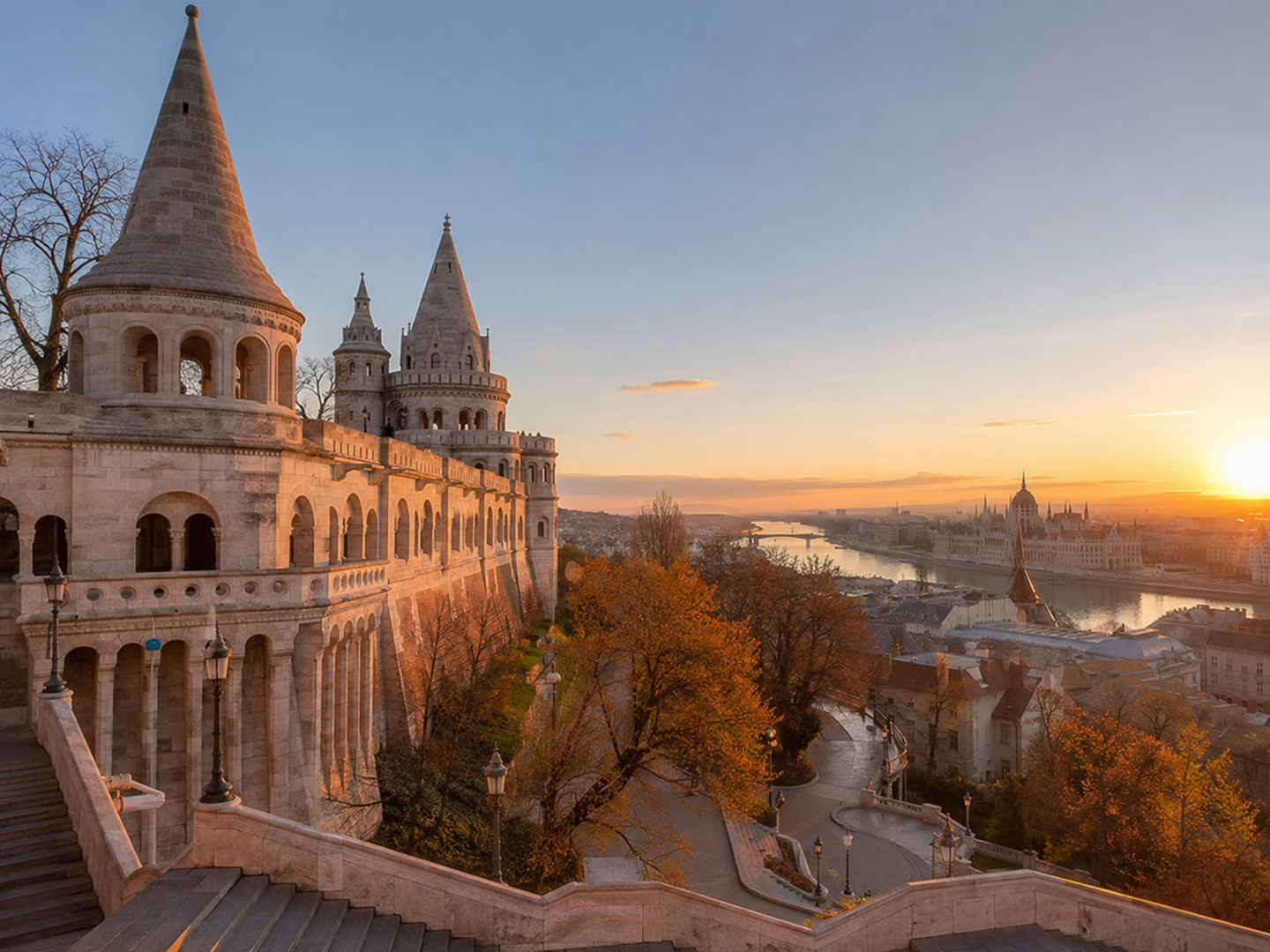
Its white turrets crown Buda's hill beside Matthias Church, with the finest panorama of the Parliament and the Danube. It is part of the historic centre, a World Heritage Site.
The synagogue on Dohány Street is the largest in Europe. Around it, the old Erzsébetváros ghetto blends memory, street art and an intense neighbourhood life.
In District VII's derelict buildings, the ruin bars were born, full of mismatched furniture and plant-filled courtyards. Szimpla Kert was the pioneer and remains the most famous.
Under its Zsolnay-tiled roof hang strings of paprika, sausages and cheeses. It is the place to try goulash, fried lángos and chimney cake.
Budapest works all year: spring and autumn offer the best weather, summer brings festivals and riverside terraces, and winter turns the steaming baths and Christmas markets into its secret card.
Mild temperatures, chestnut trees in bloom and thinner crowds than in summer. Ideal for strolling both banks and climbing Castle Hill at ease.
Heat and a festive mood: terraces, Danube cruises and big festivals such as Sziget in August. It is the busiest, hottest season; start early for popular sights.
Golden light, pleasant temperatures and wine season. A good balance of weather and crowds, with kinder prices than high summer.
Genuinely cold but magical: the outdoor thermal baths steam and Christmas markets light up the Basilica and Vörösmarty Square. Fewer tourists and a cosy city.
The neighbourhoods and areas with the most charm to stay in.
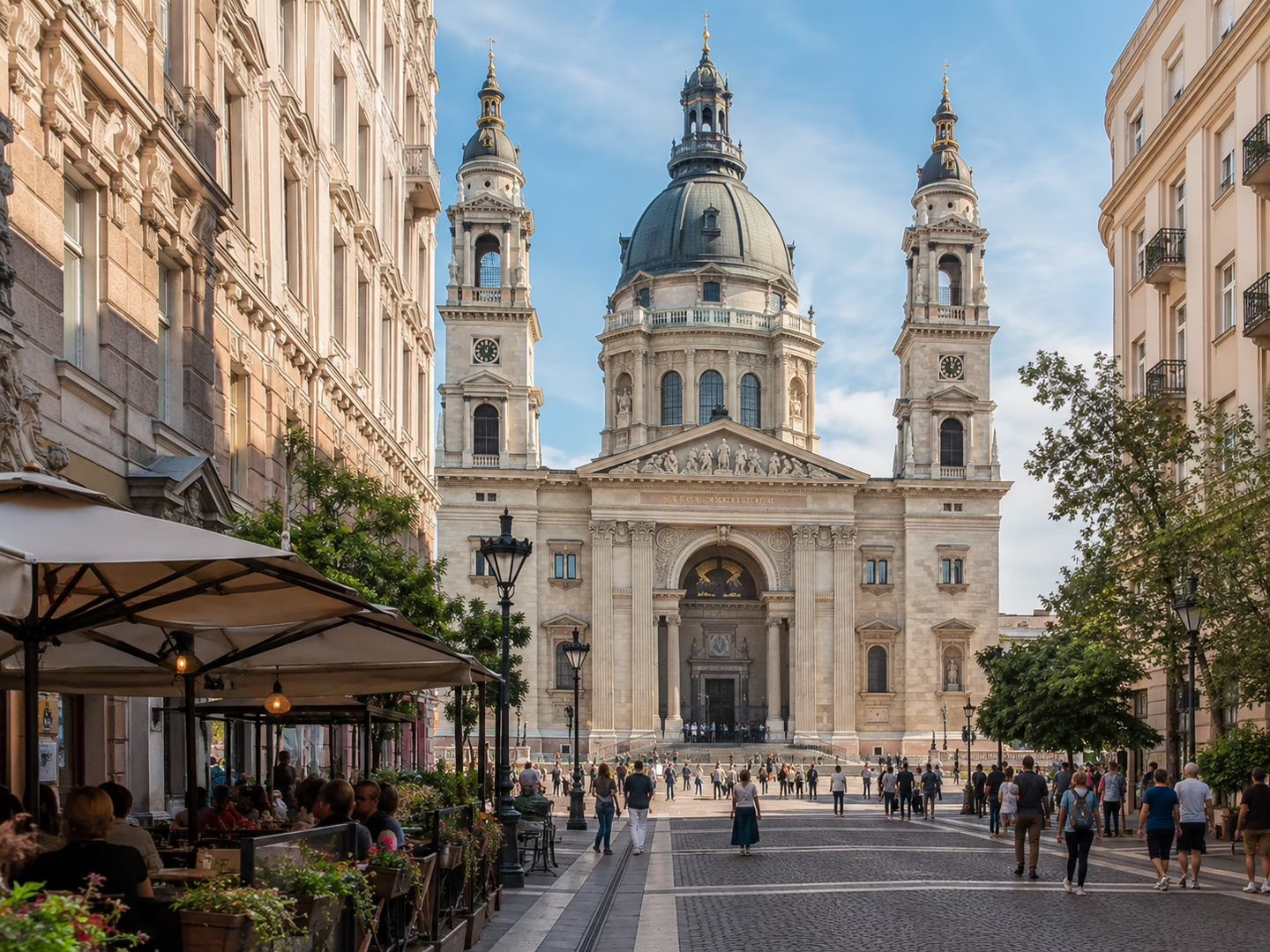
Central Pest, a short walk from the Parliament, the Basilica and the riverbank. The best base for first-timers: everything on foot and well connected.
The heart of the nightlife, with ruin bars, restaurants and music into the small hours. Perfect for the young and night owls; it can be noisy late on.
Elegant and central, around the grand Andrássy Avenue and the Opera. Historic cafés, shops and fine hotels for those after a refined atmosphere.
Quiet, scenic and steeped in history on Buda's hill. Ideal for romantic escapes and travellers who prefer calm and views to the bustle.
An up-and-coming district by the Central Market and Ráday Street, more affordable and well served by tram. It suits those after local life and value.

Our selection: rating, location and that special something.
The small details that make travelling easier.
The BKK network — metro, trams 2, 4 and 6, buses — covers almost everything. Always validate your ticket and check the 100E airport bus to the centre on the official site.
Hungary pays in forints (HUF), not euros. Cards are accepted almost everywhere, but carry some cash for markets and tips of around 10%.
The most popular baths fill up; many let you buy tickets online and pick a time slot. Bring flip-flops and a towel, and check the rules on their site.
Cobblestones, Buda's slopes and shifting temperatures call for comfortable shoes and layered clothing, especially in spring and autumn.
Hungarian is hard, but English works well in the centre. A köszönöm (thank you) or a szia (hello) is always appreciated.
Avoid the unofficial taxis that circle the tourist areas. Use apps like Bolt or licensed firms, and confirm the fare before getting in.
Glimpses of the destination to whet your appetite.
Three or four days let you see the essentials of Buda and Pest at ease, with time for a bath and a riverside walk. A week allows day trips to the Danube Bend, such as Szentendre.
Thousands of travellers already trust us