
Sandra Avila
Great treatment, great staff that organizes your trip, excellent!
Where are you going?
Guests
1 Room — 2 adults
Preferences
—
Lisbon reveals itself uphill: the rattle of tram 28, the scent of grilled sardines drifting through Alfama, and a bright southern light bouncing off tiled façades before it settles on the Tagus. It is an unhurried, luminous capital of viewpoints and century-old pastry shops, where every corner asks you to slow down. This guide walks you through its neighbourhoods, its best seasons and the tips you'll be glad to know before you book.

The destination's essentials, hand-picked to spark your trip.
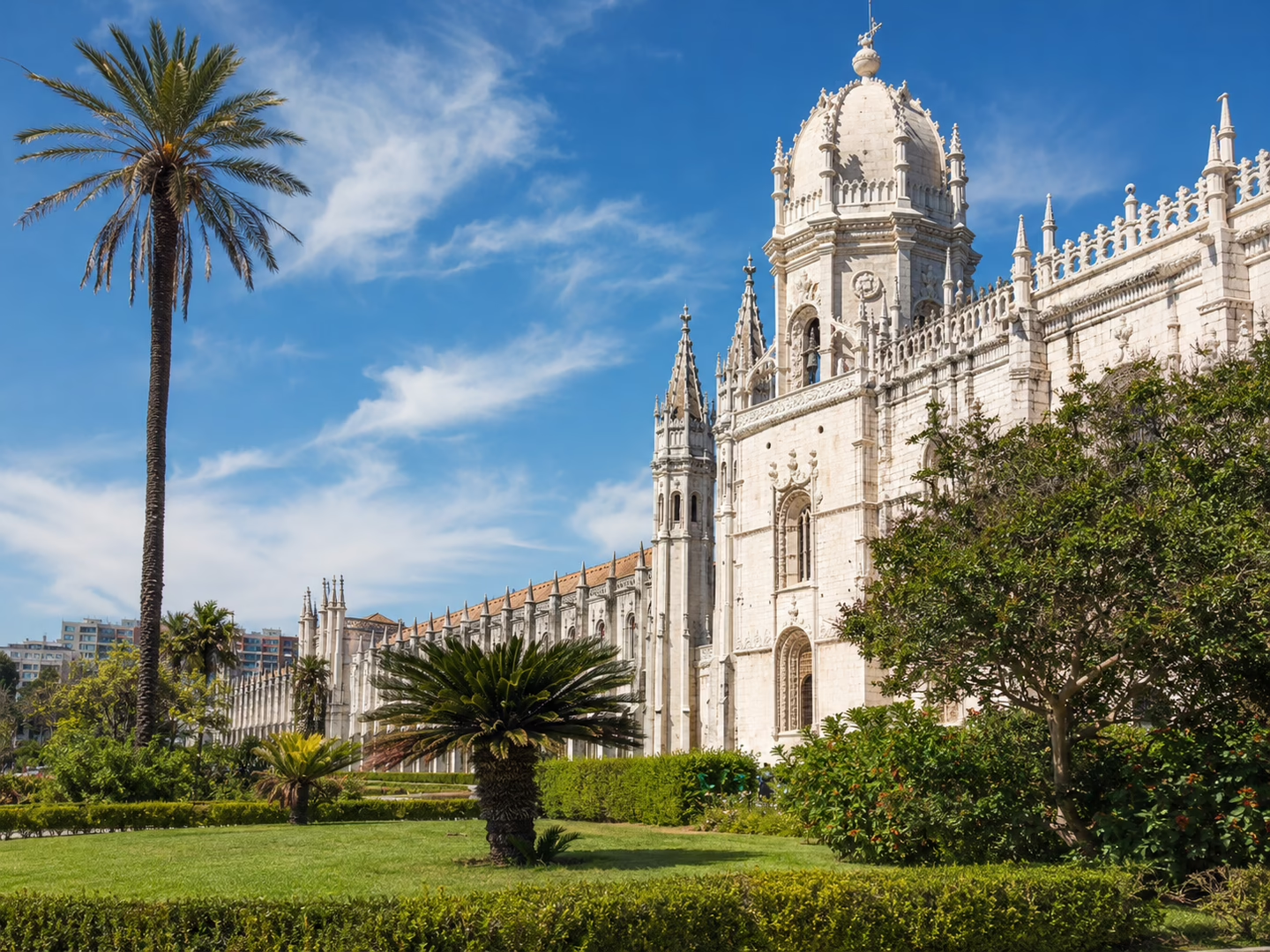
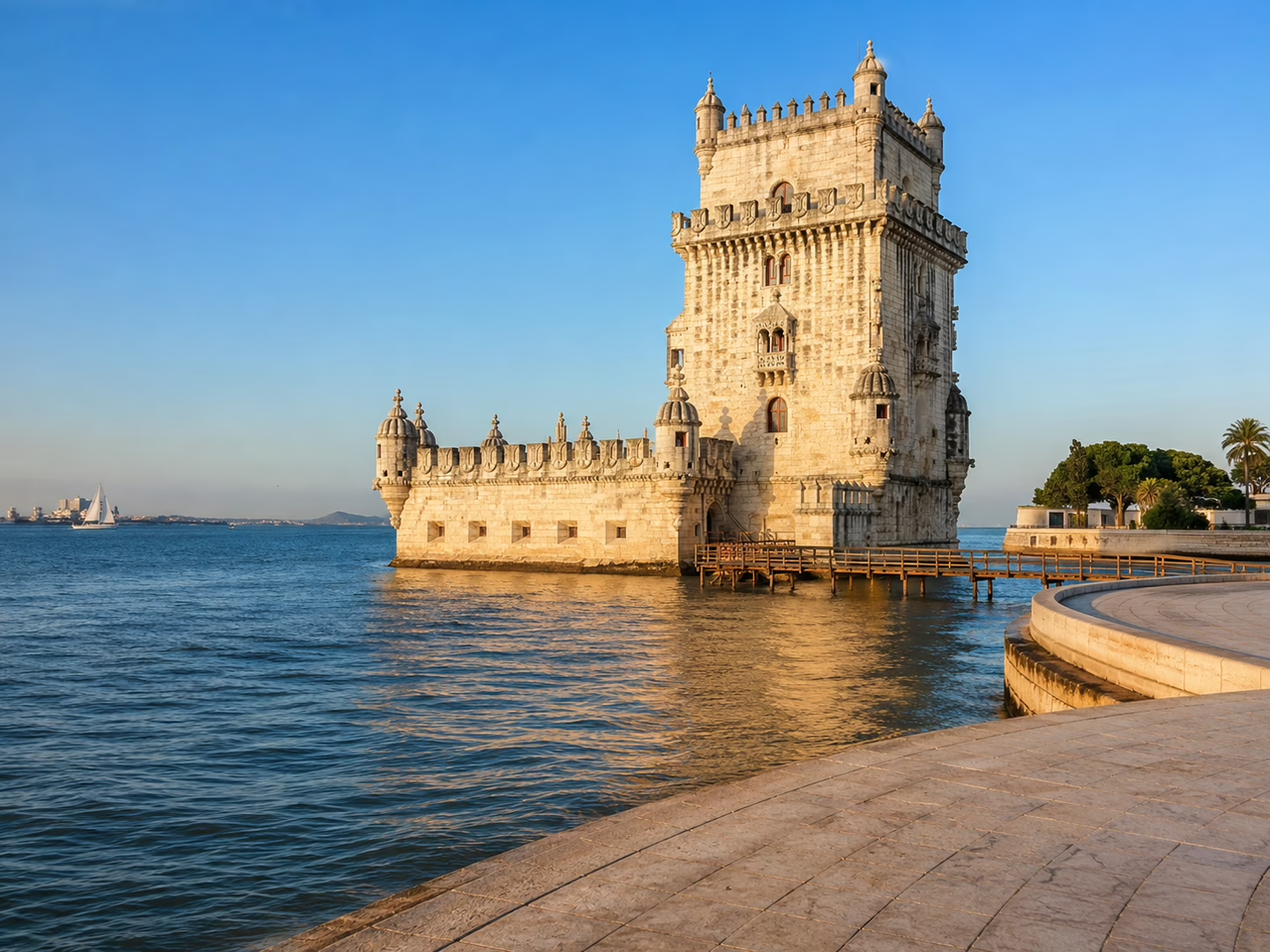
Two Manueline masterpieces stand on the Belém waterfront, both UNESCO World Heritage: the 16th-century defensive Tower and the vast Jerónimos Monastery, built with the wealth of the age of discoveries.
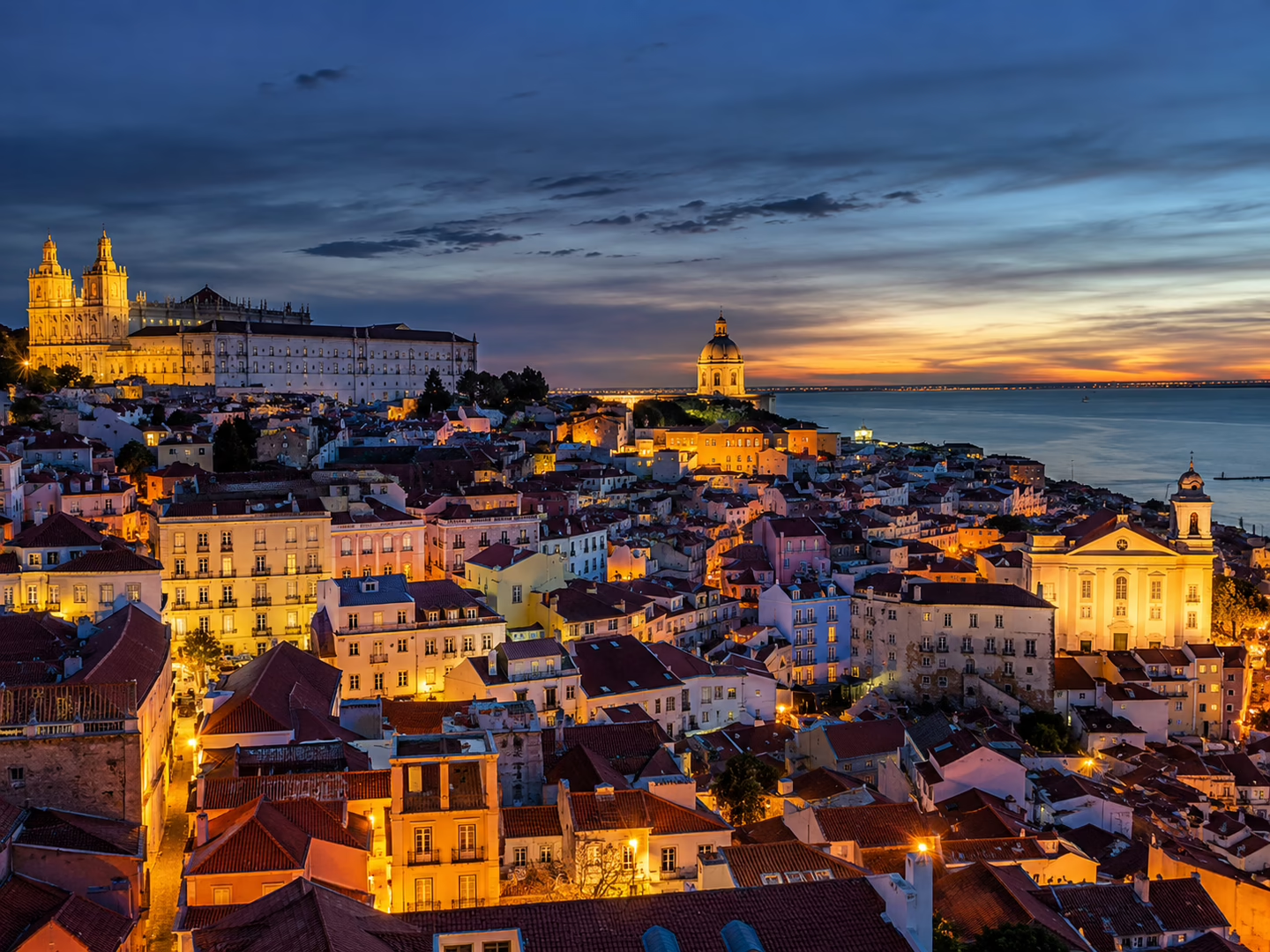
Lisbon's oldest quarter is a maze of alleys, courtyards and washing lines tumbling from the castle down to the river. After dark, its fado houses fill the air with the wistful song that defines the city.
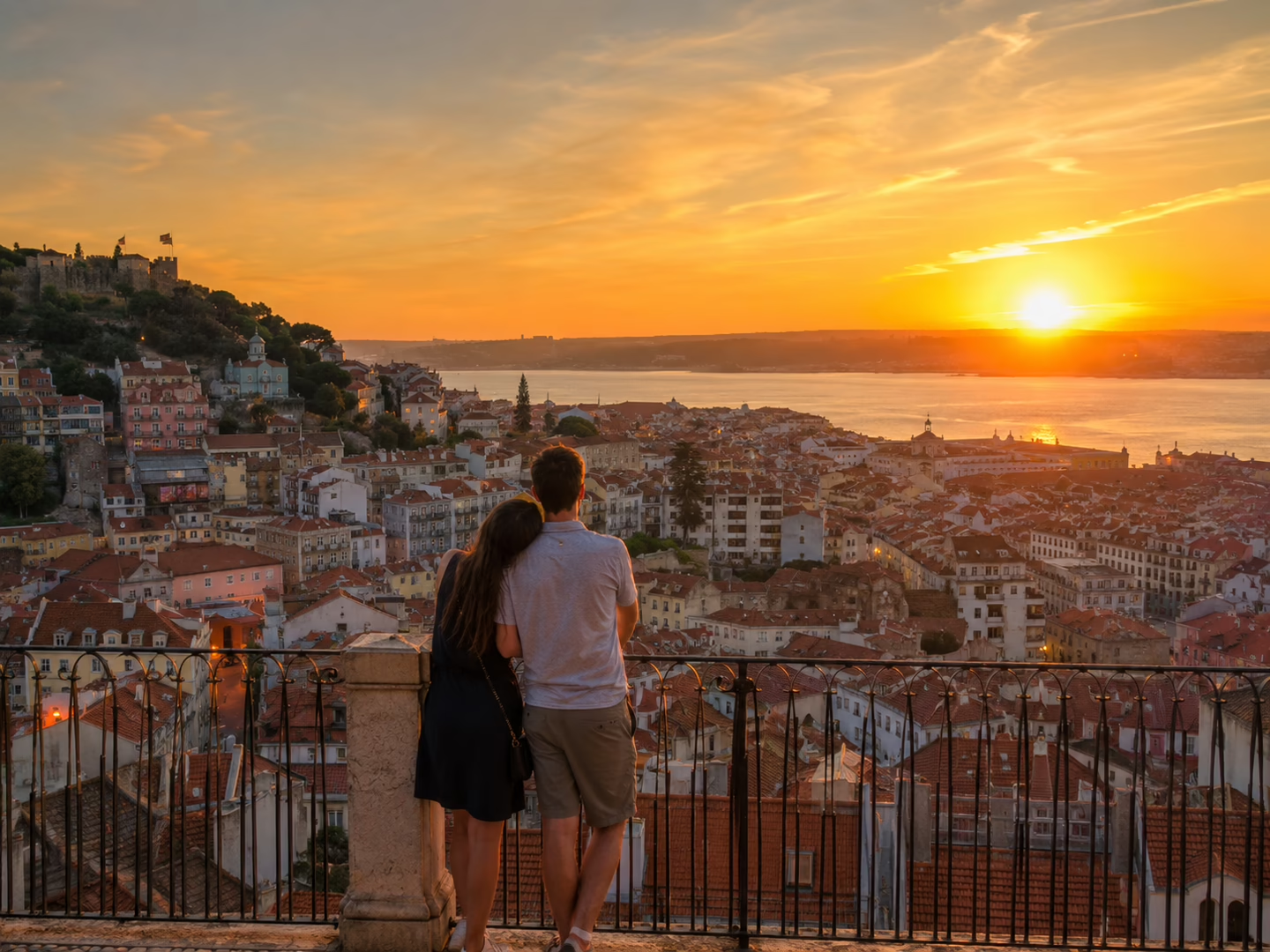
Crowning the hill, the Moorish fortress offers the finest panorama over the old town and the Tagus. Around it lie the miradouros —Santa Luzia, Portas do Sol, Senhora do Monte—, balconies made for sunset.
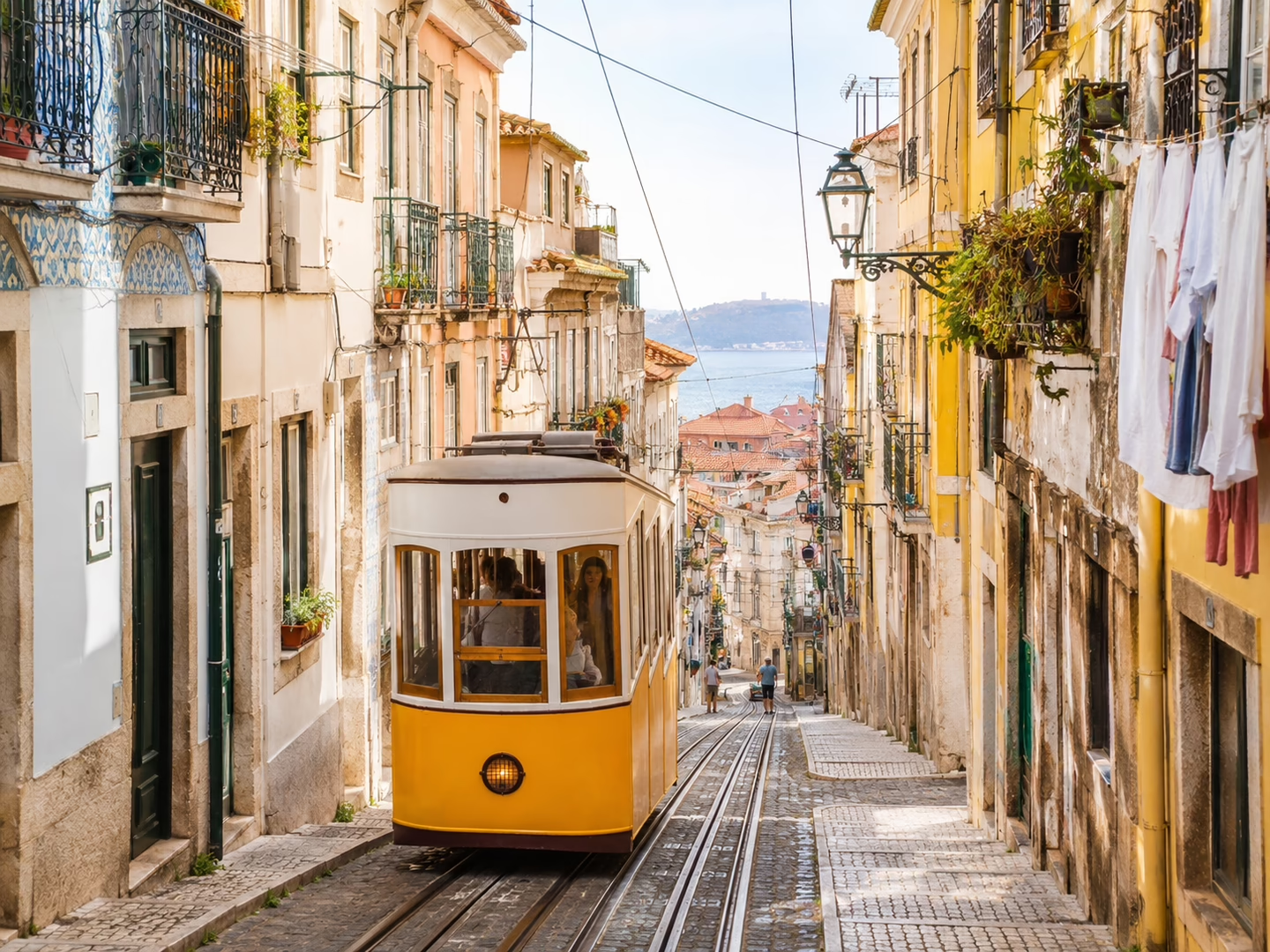
The yellow number 28 tram clatters between Graça, Alfama, Baixa and Estrela, tackling gradients no bus could. It is real public transport and, at once, one of the best-loved ways to feel the pulse of Lisbon.
A warm custard tart dusted with cinnamon and sugar is an essential ritual; the originals have been baked in Belém since 1837. For a taste of everything, the Time Out Market gathers top chefs under one roof.
In the modern riverside district of Parque das Nações, the Oceanário de Lisboa —one of Europe's largest aquariums— revolves around a colossal central tank. A great plan with kids, complete with a cable car and a waterside walk.
Lisbon is a year-round city, blessed with more than 2,800 hours of sunshine. Spring and autumn strike the best balance of fine weather and calm, while summer is festive but busier.
Mild temperatures, luminous days and jacaranda trees turning the avenues violet in late spring. Crowds are thinner than in summer and the light is perfect for wandering and photography. One of the best times to visit.
Dry heat tempered by the Atlantic breeze and a festive mood, especially in June with the Festas de Lisboa and Santo António: sardines, music and garlands across Alfama. It is the liveliest, busiest season, so book ahead.
The sea stays warm, the light turns golden, and prices and queues ease after summer. Warm days and pleasant evenings make autumn a perfect time to explore the city at an unhurried pace.
Winters are mild by European standards, with gentle days punctuated by spells of rain. It is the quietest, most affordable season, ideal if you want a snug Lisbon of tascas, cafés and museums.
The neighbourhoods and areas with the most charm to stay in.
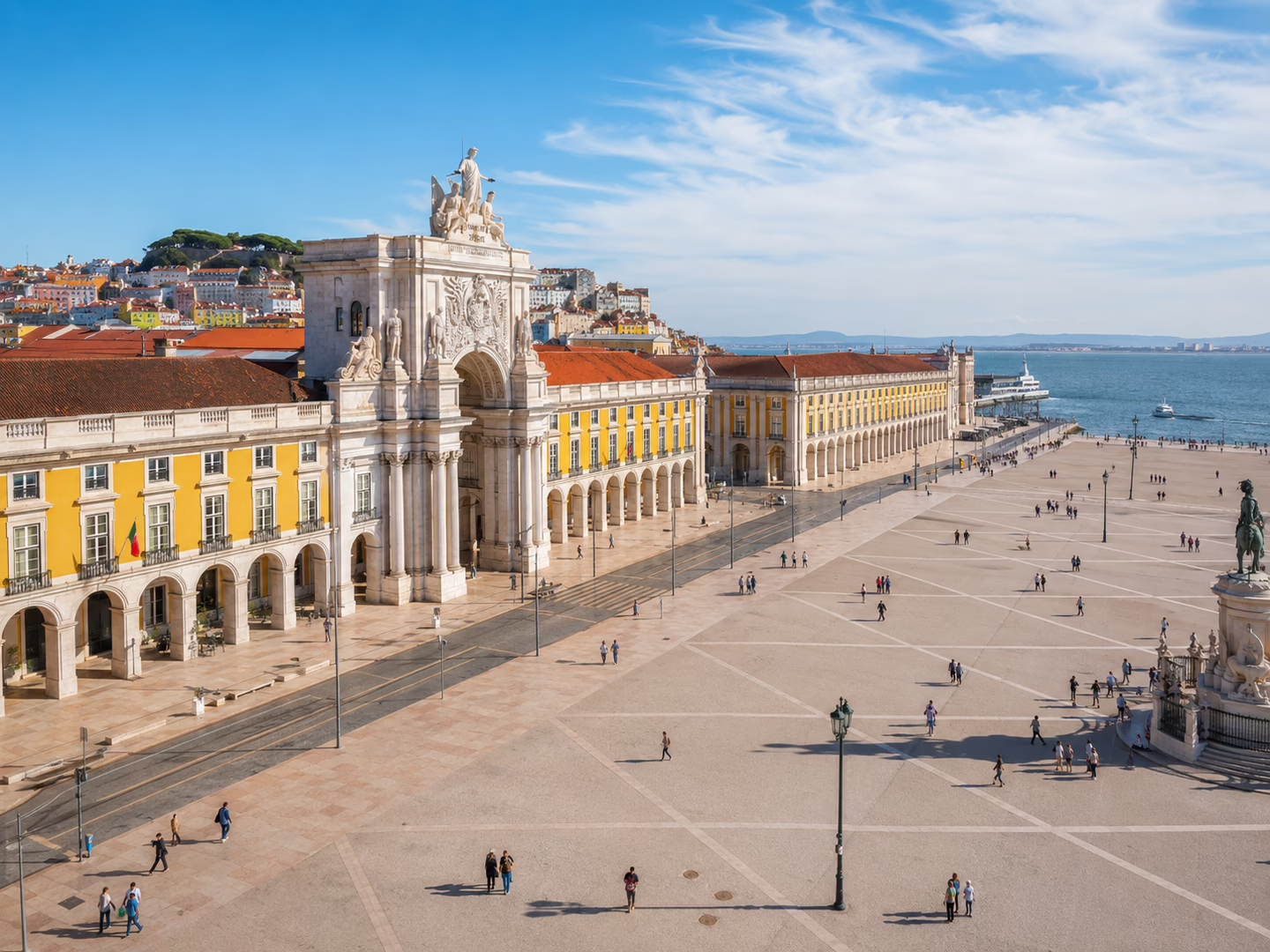
Lisbon's elegant, flat heart between the river and the hills: a grid of pedestrian streets, grand squares, shops and superb transport links. The best base for anyone visiting the city for the first time.
The oldest, most characterful quarters, all steep lanes, tiles, courtyards and viewpoints. Perfect for those after historic atmosphere and fado; be ready for the hills and pack light.
By day, boutiques, gardens and bohemian terraces; by night, the epicentre of Lisbon's going-out scene. Ideal for anyone who wants to stay up late, dine well and soak up the city's most modern, diverse vibe.
Lisbon's stately, tree-lined boulevard of luxury names concentrates much of the upmarket hotel offer. Central and well served by the metro, it suits travellers who prize comfort and elegance.
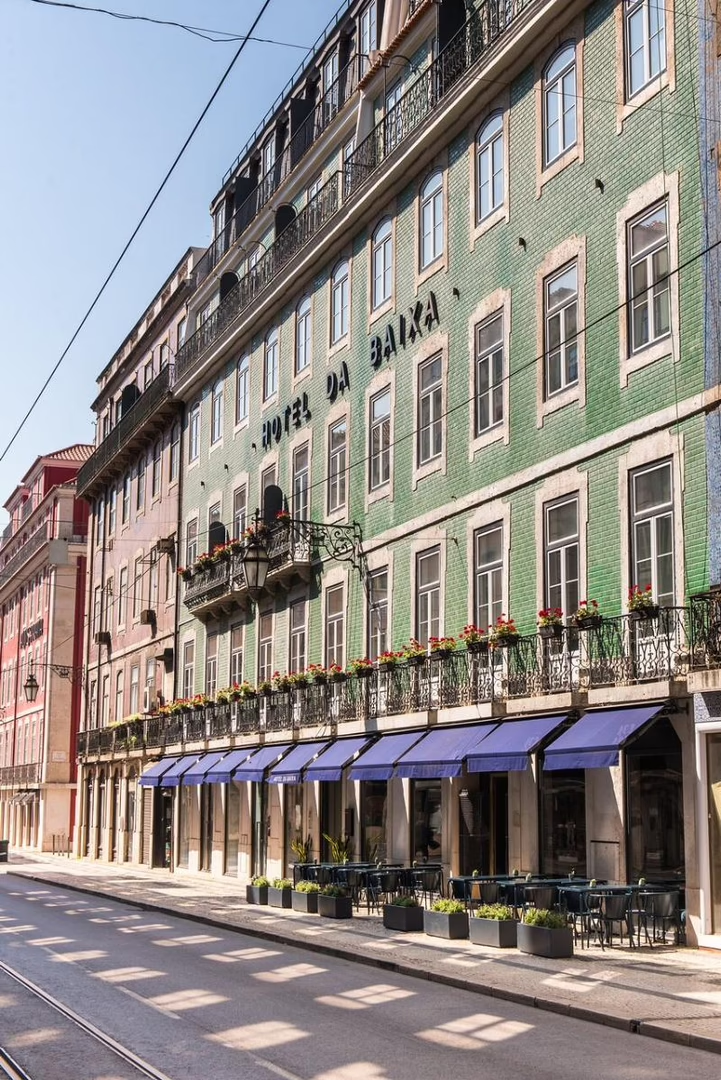
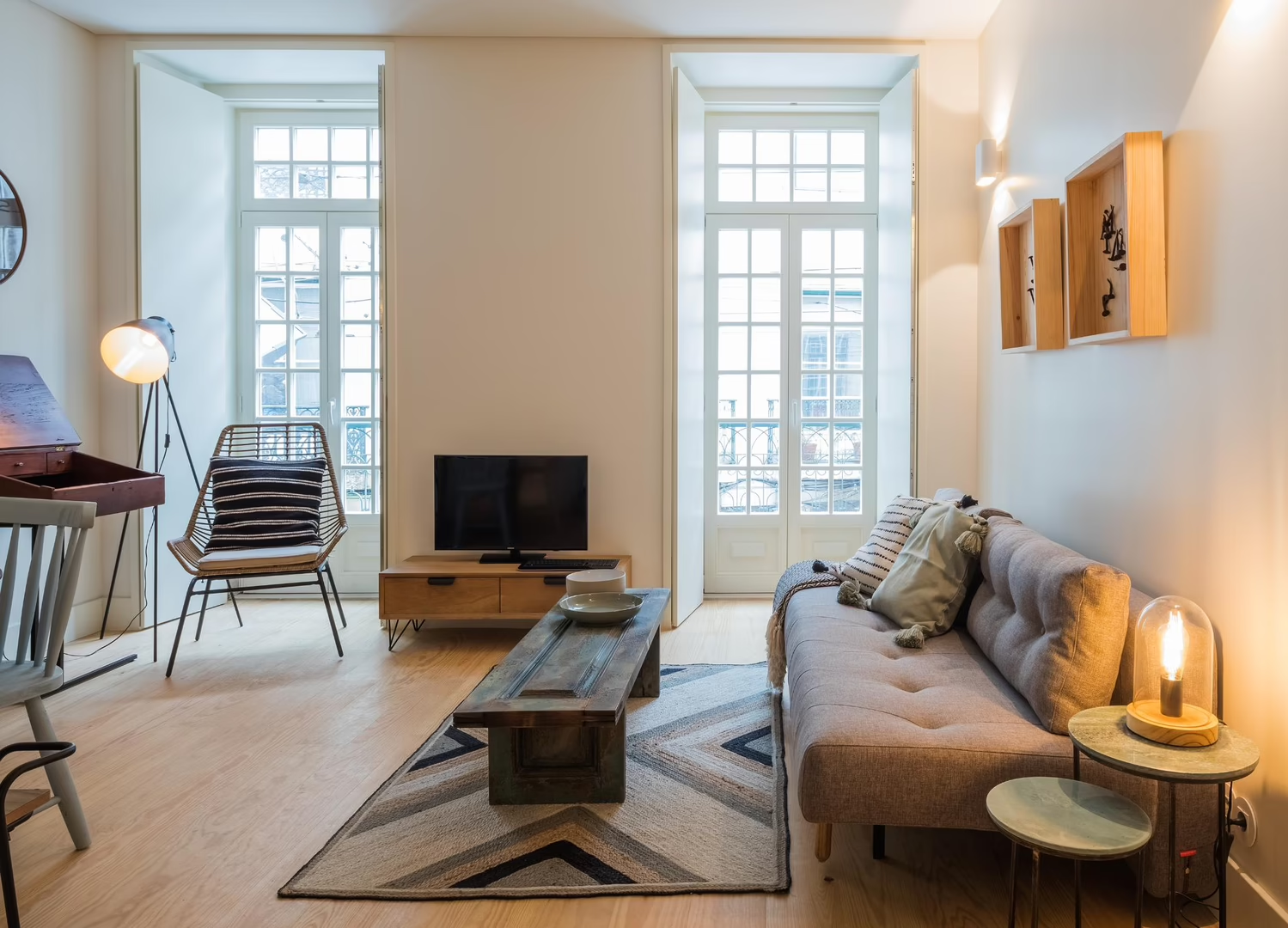
Our selection: rating, location and that special something.
The small details that make travelling easier.
Walk as much as you can and lean on the metro, trams and funiculars for the hills. A rechargeable Viva Viagem card covers everything; check fares and routes on the official Carris and Metro websites.
The calçada portuguesa —those polished cobbles— gets slippery in the rain, and Lisbon goes relentlessly up and down. Comfortable, non-slip trainers make the difference between enjoying and enduring the city.
Cards are accepted almost everywhere, but keep a few euros for small tascas, markets and tips. Multibanco cash machines are widely available across the city.
English is spoken confidently in tourism, but a «bom dia», «por favor» and «obrigado/obrigada» open doors and smiles. Don't assume Spanish: locals understand it, yet appreciate the local effort.
Jerónimos Monastery, Belém Tower and tram 28 fill up by mid-morning. Going early —or late in the day— saves you the queues; check hours and advance tickets on the official websites.
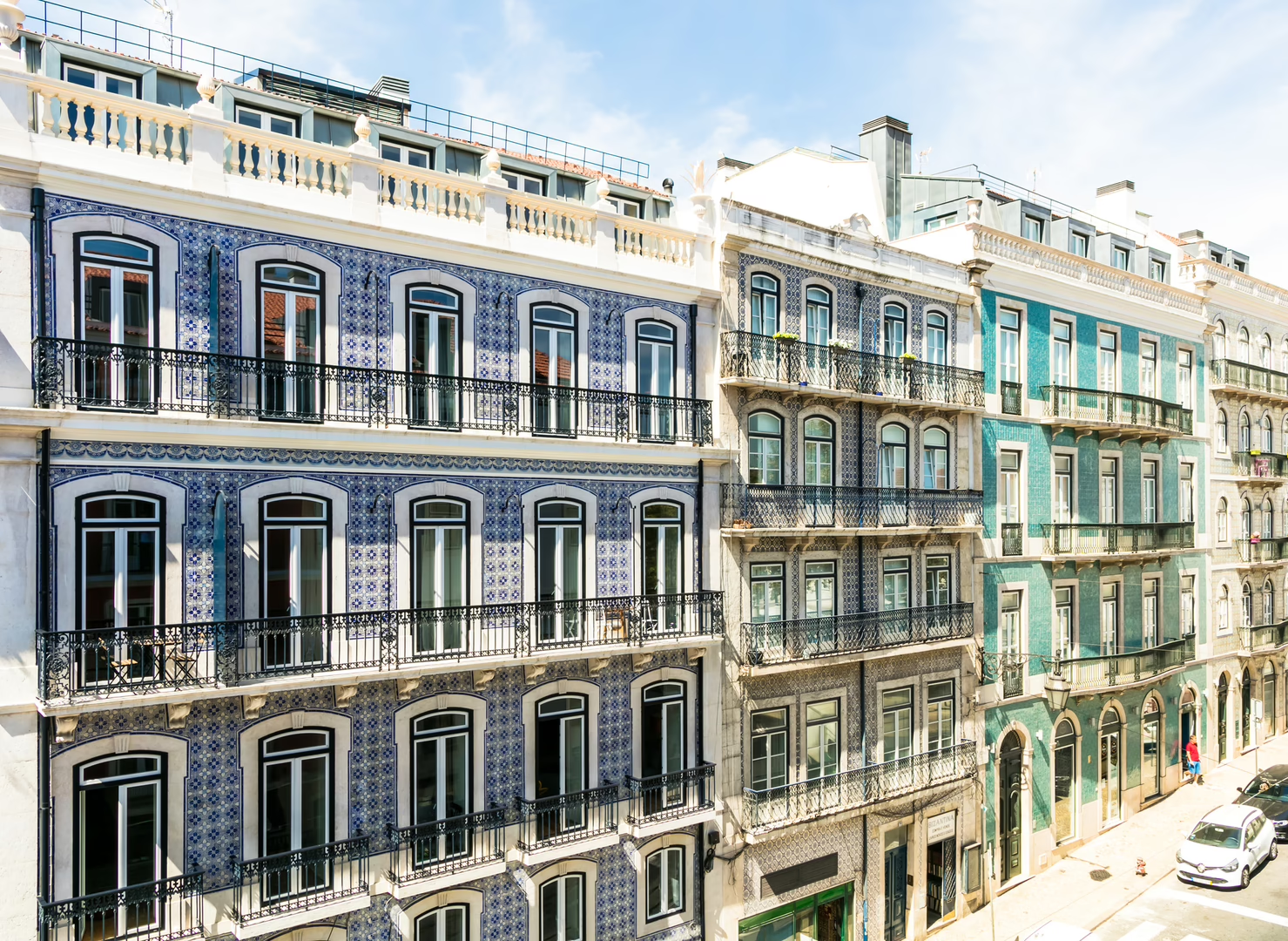
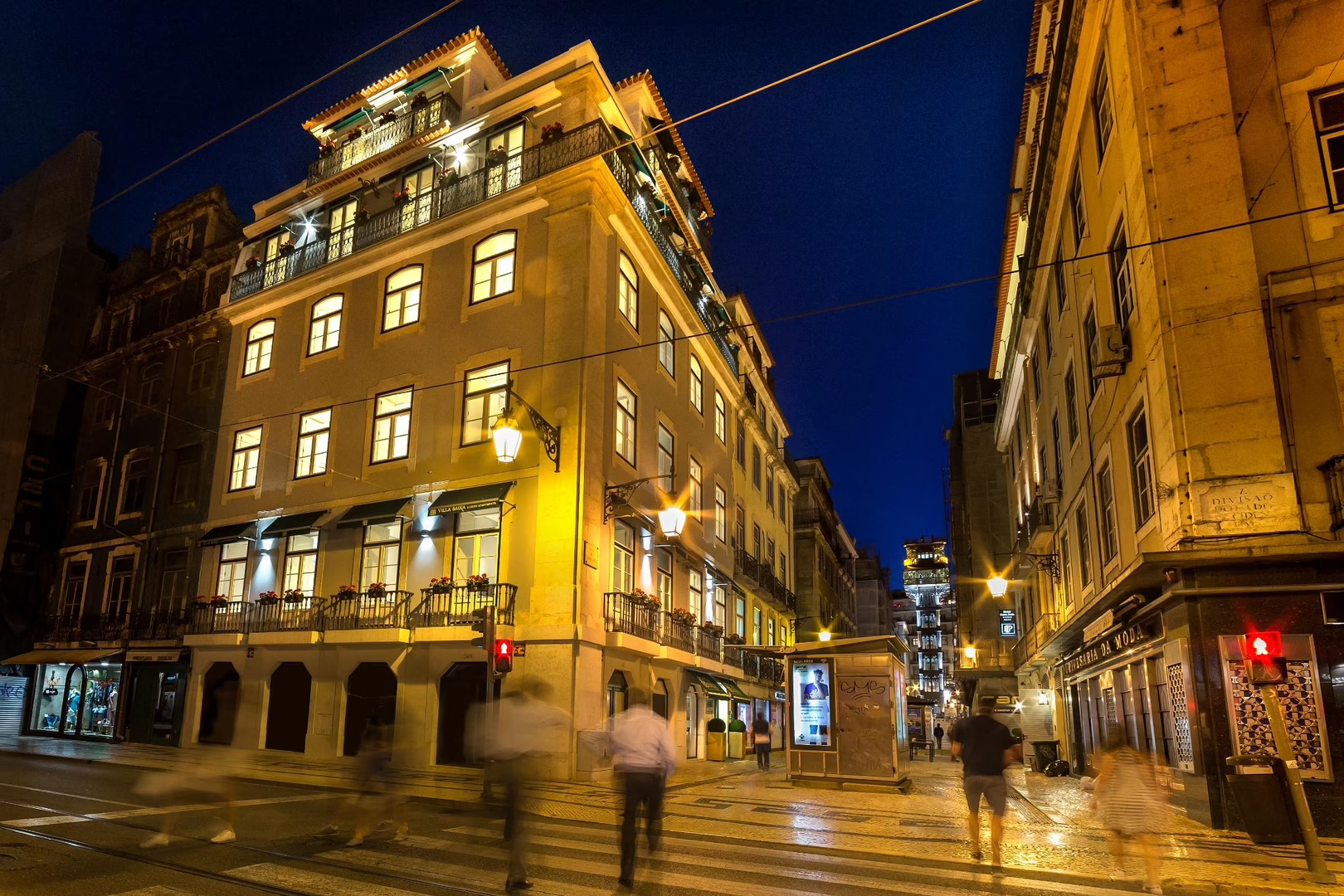
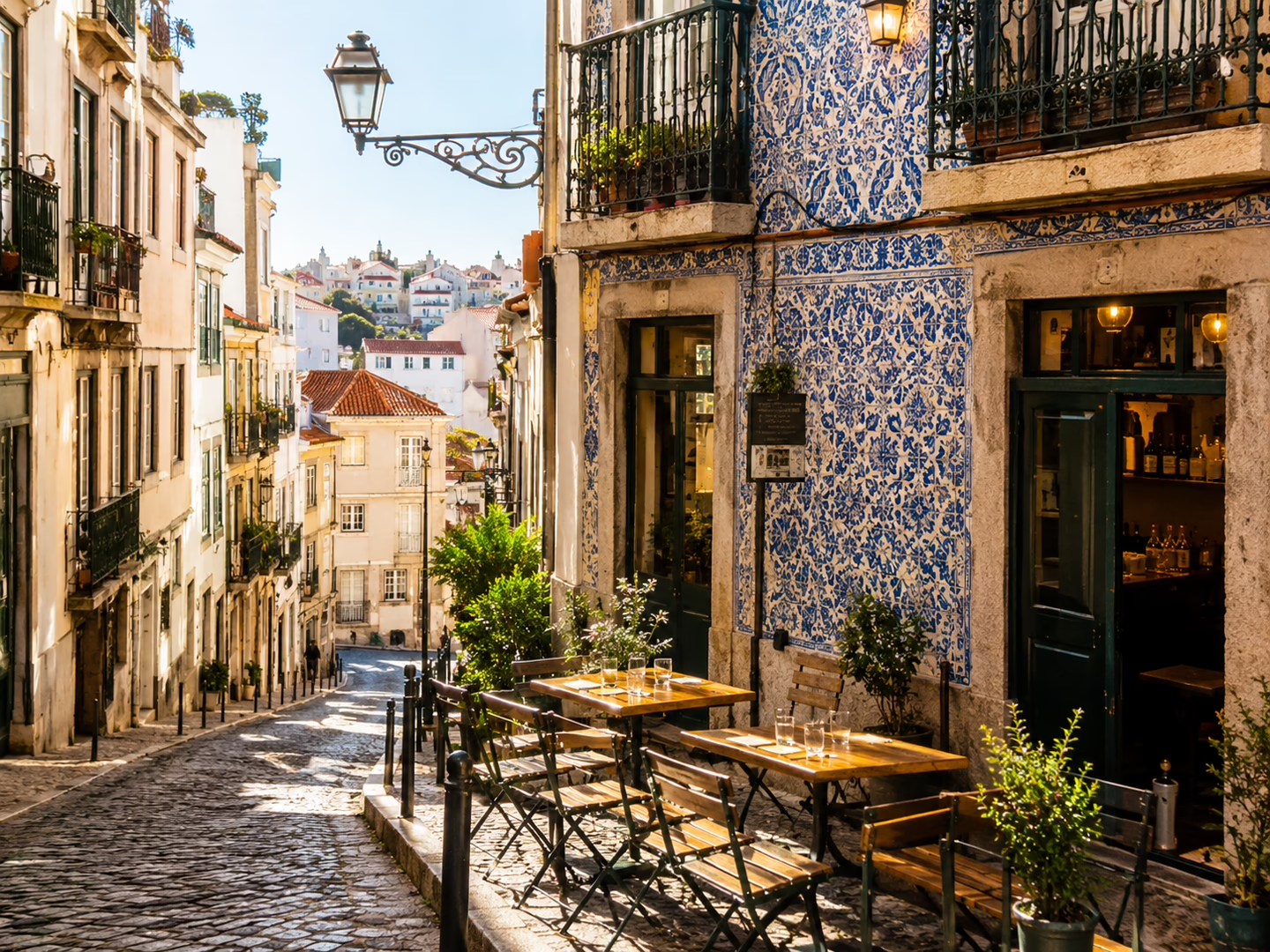
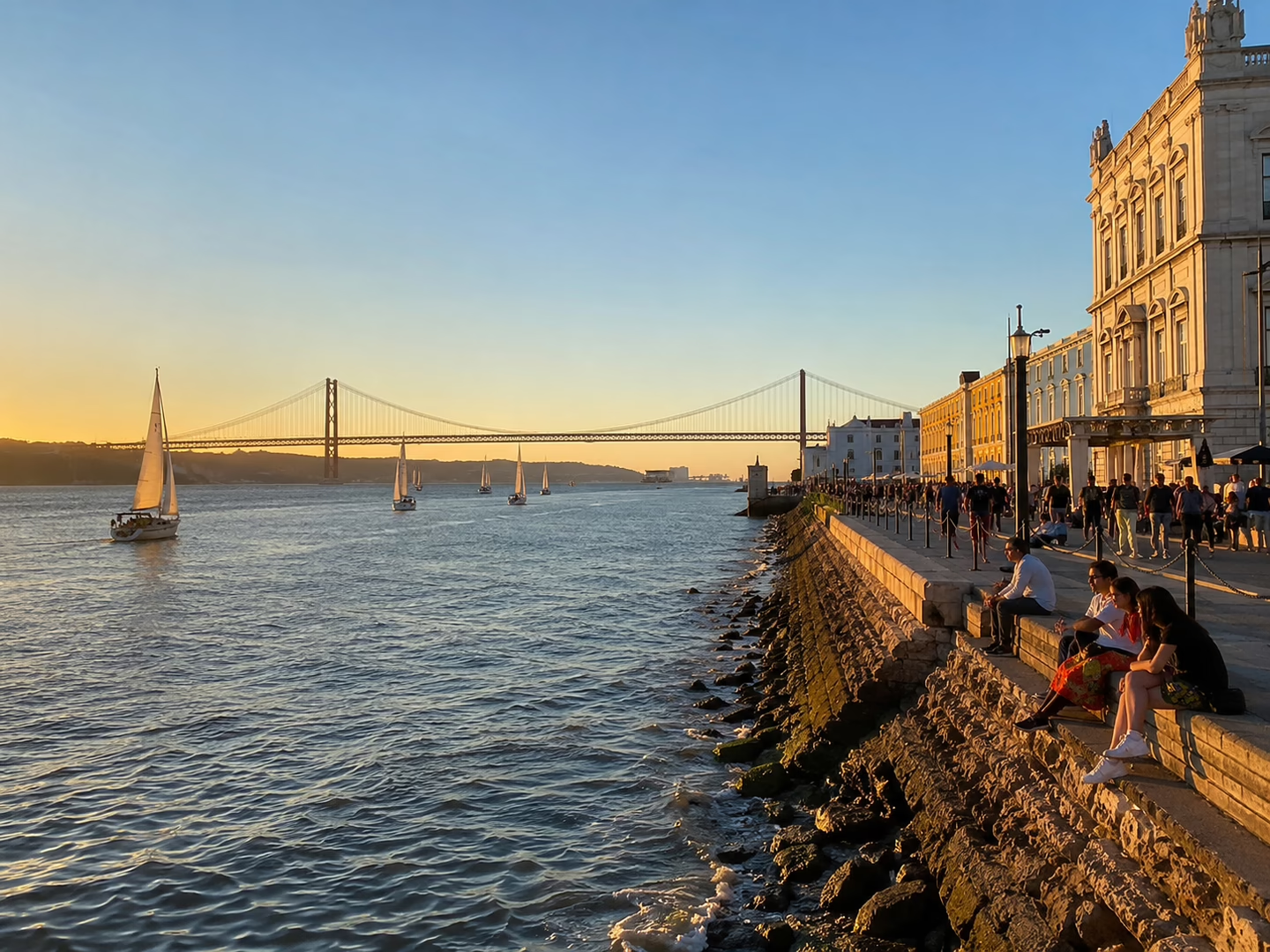
Glimpses of the destination to whet your appetite.
Spring (March to May) and autumn (September and October) offer the best balance: fine weather, glorious light and fewer people than high summer. For a festive mood, June brings the Festas de Lisboa.
Thousands of travellers already trust us