
Sandra Avila
Great treatment, great staff that organizes your trip, excellent!
Where are you going?
Guests
1 Room — 2 adults
Preferences
—
A UNESCO Biosphere Reserve since 1993, Menorca is the most serene of the Balearics: a coastline of white sand and clear water stitched together by the Camí de Cavalls, two historic harbour towns and a stone-walled interior dotted with prehistoric monuments. Here, space and quiet are the real luxury. This guide takes you from the southern coves to the northern fishing villages, with everything you need to choose when to go and where to stay.
The destination's essentials, hand-picked to spark your trip.

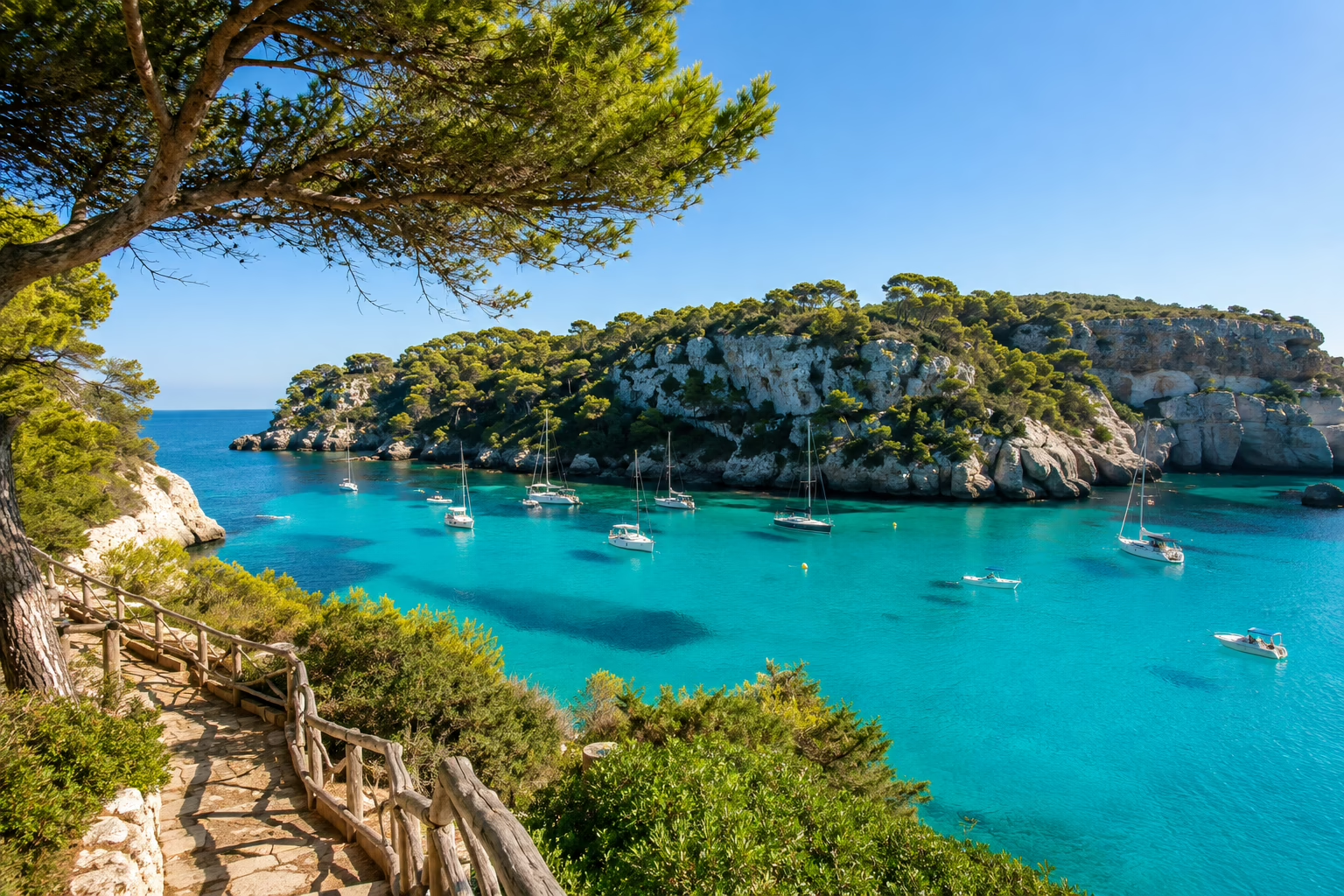
Two sister coves of white sand and turquoise water framed by cliffs and pines on the south coast. You reach them on foot from Cala Galdana along the Camí de Cavalls — part of their magic is that no road runs down to the shore.
The former capital keeps a maze of lanes, noble palaces and a Gothic cathedral above a harbour tucked into a ravine. At dusk, its terraces and golden light make one of the island's finest scenes.
A historic path of some 185 km circles the whole island along the coast. Split into 20 stages, it lets you walk from cove to cove past dunes, pine woods and old watchtowers; some sections are flat and easy, others wilder.
The island guards hundreds of prehistoric stone monuments — taulas, talayots and navetas — such as the Naveta des Tudons or the Torre d'en Galmés settlement. This ensemble has been a UNESCO World Heritage Site since 2023.
Maó overlooks one of the world's largest natural harbours, perfect for a boat trip. Inland, Monte Toro, the highest point (358 m), crowns the island with a monastery and coast-to-coast views.

Mahón-Menorca PDO cheese, Fornells' lobster stew and the British-era gin — drunk as pomada with lemonade — sum up the island's larder. Local markets and distilleries round out the experience.
Menorca is a warm-season destination: it shines from late spring to early autumn, when the sea invites you in. High summer gets busy and in winter many coastal services close, yet the island always keeps trails and towns to explore.
The countryside fills with flowers and the temperature is ideal for walking the Camí de Cavalls and finding coves without crowds. The sea is still cool early on, but by June the first swims begin. A great time for photography and hiking.
Peak season: guaranteed sun, warm water and every cove and beach bar in full swing. It is also the busiest and hottest time, so arrive early to park and enjoy the most famous beaches before midday.
For many, the best time: the sea stays warm after summer, crowds thin and prices ease. September keeps a beach mood; October is quieter and ideal for trails and food, with the odd rainy day.
The island turns intimate and authentic. The climate is mild but windy, and many coastal hotels and restaurants close. This is the season of hiking, unhurried villages and the Menorca the locals know.
The neighbourhoods and areas with the most charm to stay in.
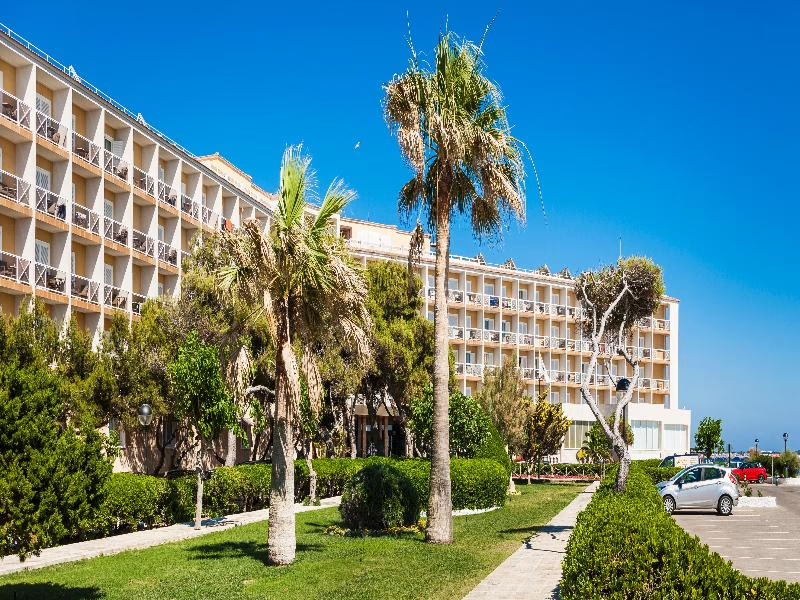
The capital, set above its great natural harbour, is a central, well-connected base with the airport nearby and ferries to the mainland. It offers restaurants, city life and easy access to eastern beaches — ideal if you prefer a town to a resort.
At the western tip, the old capital charms with its historic centre, its sunsets and its stroll-and-tapas mood. A fine choice for those after character, food and closeness to some of the best southern coves.
Cala Galdana's arc of sand and the neighbouring resorts are the classic beach base: family-friendly, comfortable and a short walk from postcard coves like Macarella and Mitjana. Perfect if the sea is your main plan.
This white-washed fishing village on a sheltered bay means calm, watersports and lobster stew. The wilder, windier north draws those after rugged scenery and quiet.
Our selection: rating, location and that special something.
The small details that make travelling easier.
Public transport is limited and many coves lie far from the towns. A car gives you freedom to move north to south; book it well ahead in summer, when demand outstrips availability.
Car parks at coves like Macarella or Turqueta fill early and some accesses are regulated in high season. Arrive early or late in the day, and consider walking in or coming by boat.
Cards are accepted almost everywhere, but it helps to carry some cash for beach bars, markets and small villages where a card reader isn't always on hand.
The sun is strong and many coves offer little shade: a hat, sunscreen and water are essential. The tramontana wind blows on the north coast, so a windbreaker and shoes for the rocks are handy.
Menorca speaks Catalan in its Menorcan variant alongside Spanish; in tourist areas English works fine. A greeting in Catalan is always appreciated.
The whole island is a Biosphere Reserve, with marine reserves and protected dunes. Don't tread on dune vegetation, keep to marked paths and leave no trace on the coves.
From late May to early October for the sea. July and August are the warmest and busiest months; June and September offer great weather with fewer people. Spring and autumn are ideal if you'd rather walk and explore.
Thousands of travellers already trust us