
Sandra Avila
Great treatment, great staff that organizes your trip, excellent!
Where are you going?
Guests
1 Room — 2 adults
Preferences
—
Beneath the glittering Eiffel Tower, the smell of fresh bread from a neighbourhood boulangerie and the murmur of the bouquinistes along the Seine: Paris is a city best explored on foot, from one café terrace to the next museum. This guide walks you through its must-sees, the best neighbourhoods to stay in, and the tips that make all the difference.


The destination's essentials, hand-picked to spark your trip.
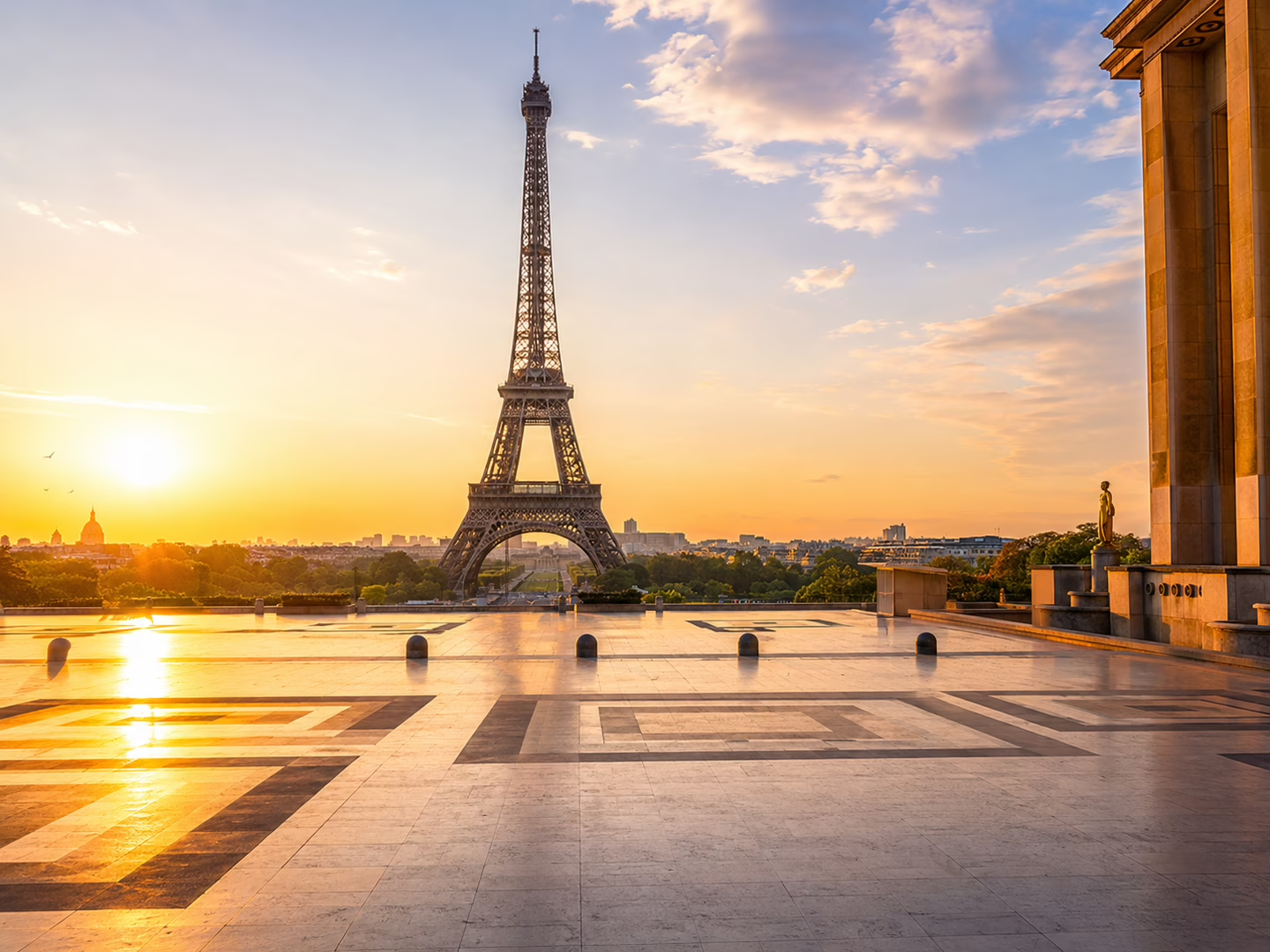
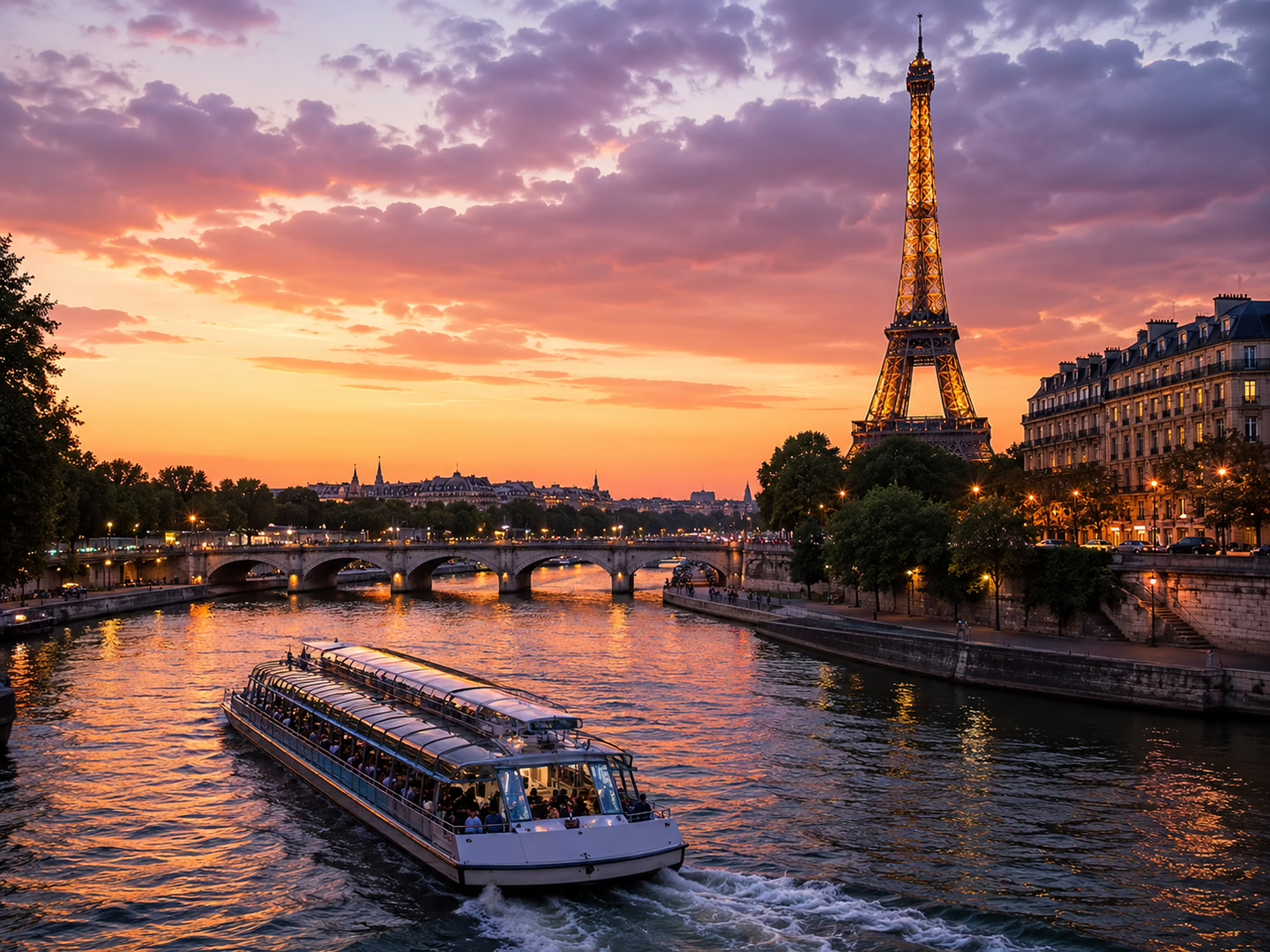
The symbol of Paris rises more than 300 metres above the Champ de Mars and offers a 360º view of the city; after dark it lights up and sparkles for a few minutes at the top of every hour.
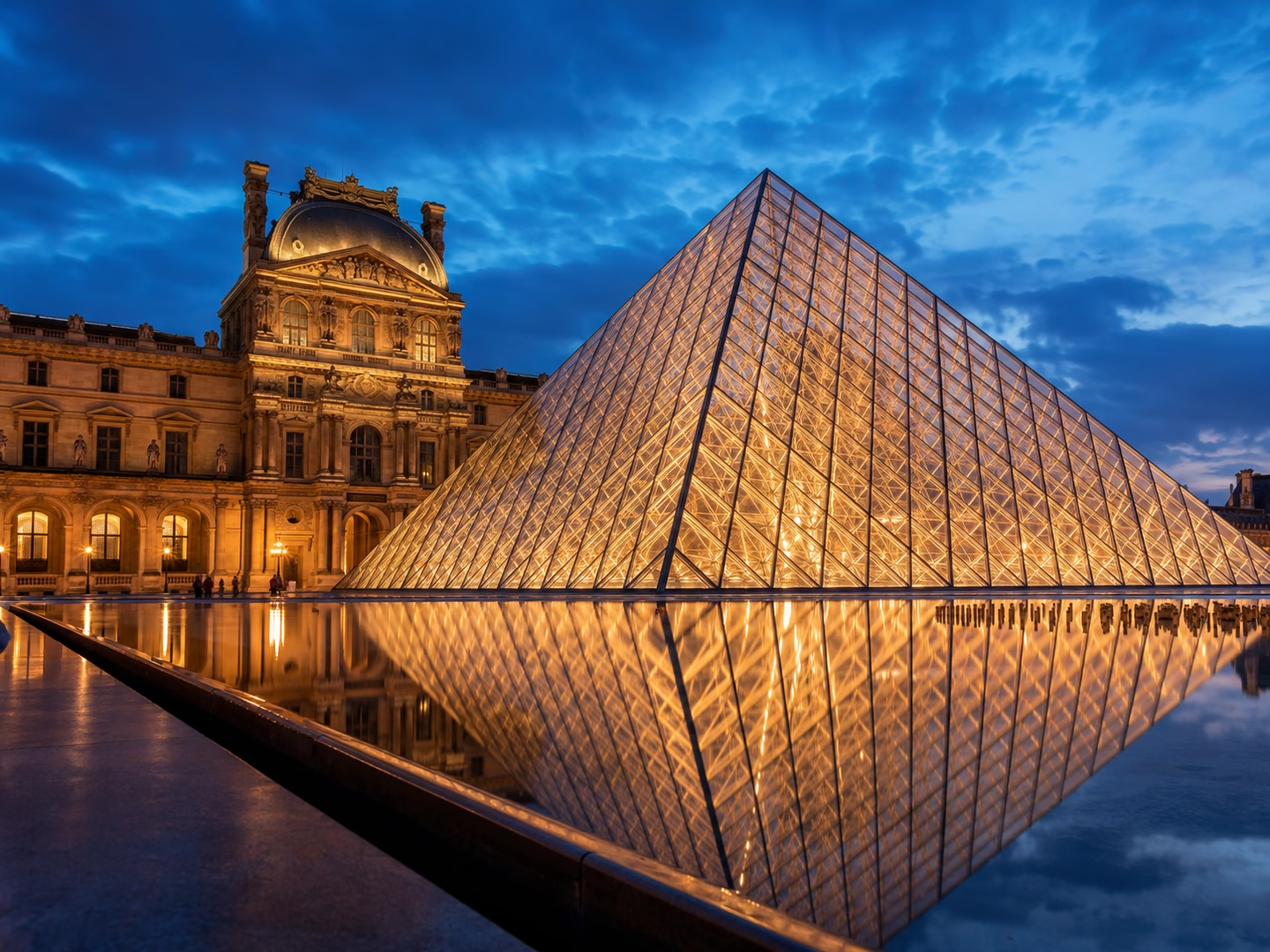
The world's most visited museum holds the Mona Lisa, the Venus de Milo and endless galleries beneath I. M. Pei's glass pyramid. You can't see it all: pick one wing and take your time.
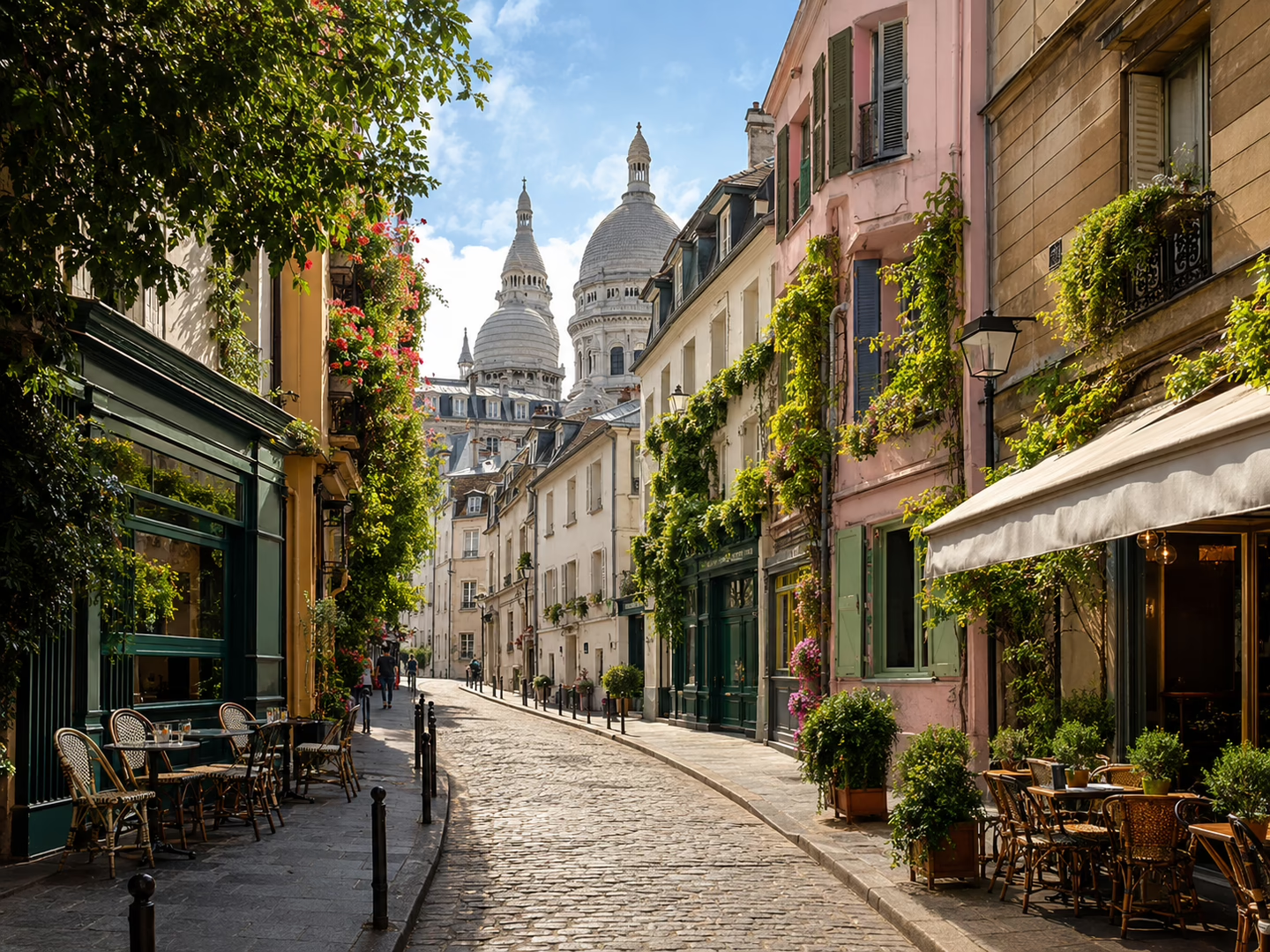
Paris's highest hill is crowned by the white basilica of the Sacré-Cœur, with cobbled lanes, portrait artists on the Place du Tertre and one of the finest panoramas in the city.
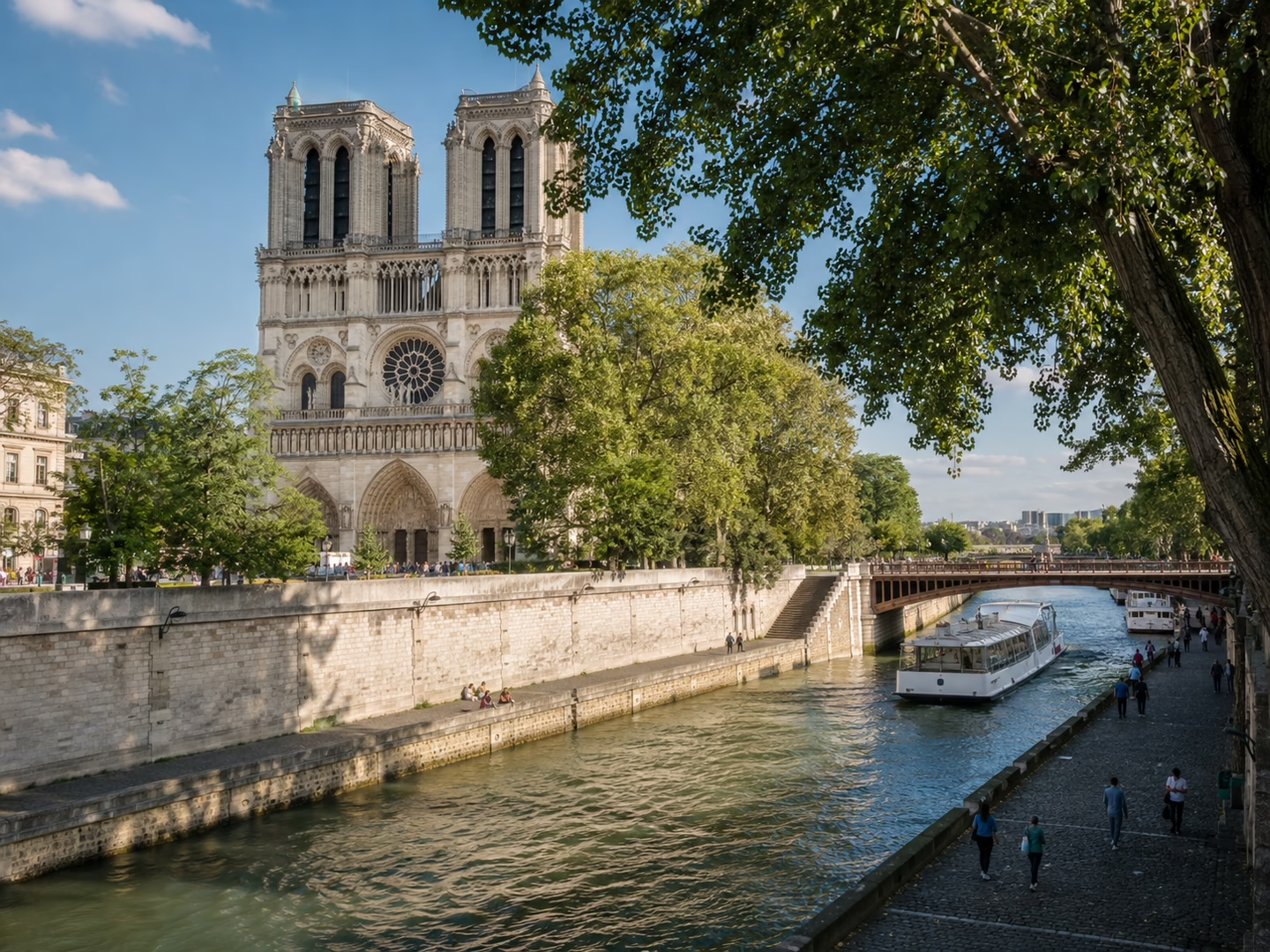
On the Île de la Cité, the Gothic cathedral presides over a stretch of river listed as a World Heritage Site, perfect for strolling among bridges, islands and secondhand book stalls.
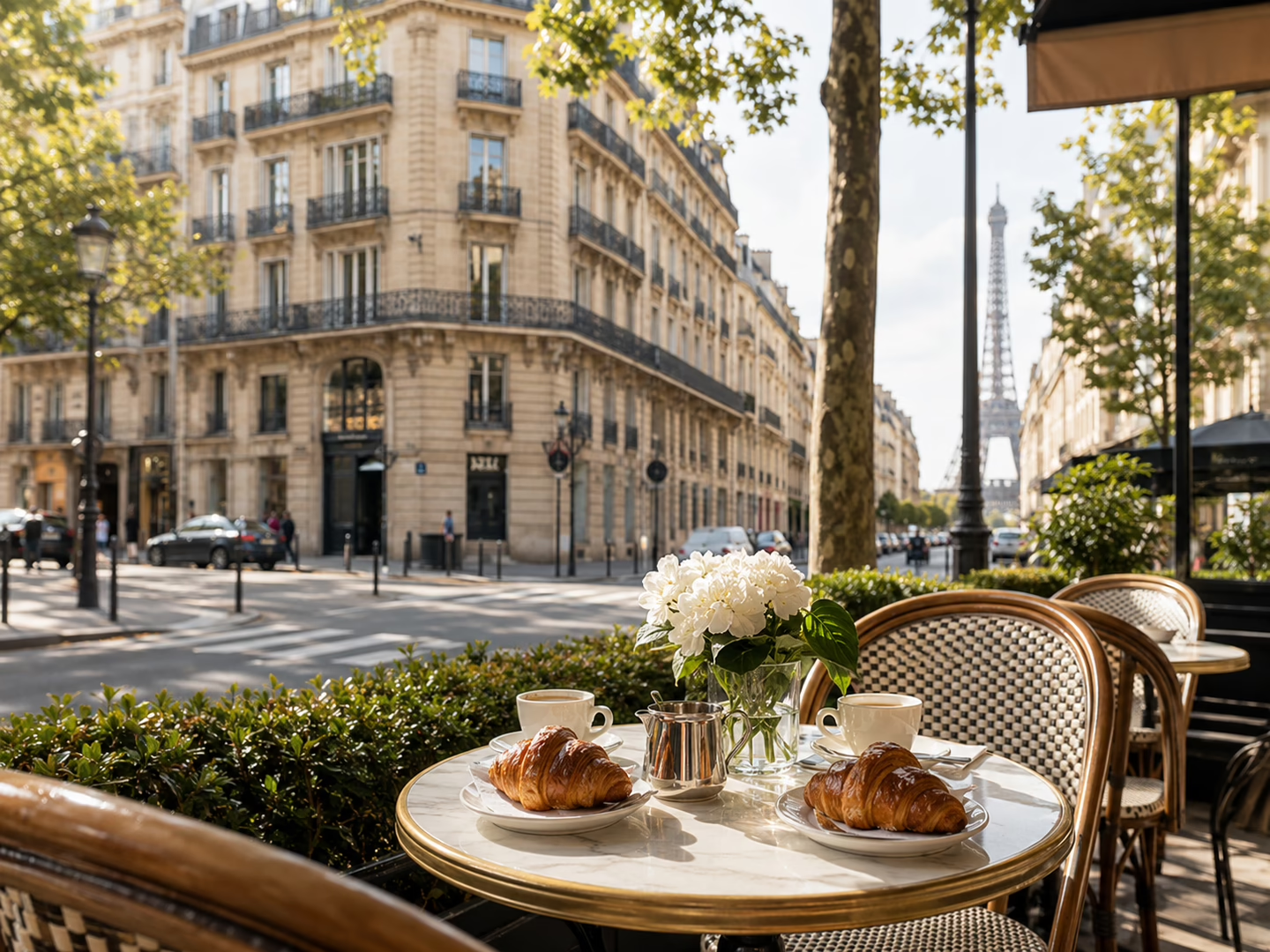
Boulangerie croissants, fromagerie cheeses, brasserie oysters and café terraces: eating in Paris is a plan in itself, from the Aligre market to the neighbourhood bistros.
Historic mansions, galleries, design shops and a lively night scene share one walkable quarter, the perfect place to round off the day between bars and cafés.
Paris rewards a visit in any season, but each one feels different: spring and autumn strike the best balance between good weather and smaller crowds, while summer draws the masses and winter offers a calmer, quieter city.
Gardens bloom, terraces fill up and the light turns soft. It's one of the best times to walk the city, though the weather is changeable: pack a light raincoat.
Long days and mild evenings, with the Seine turning into an urban beach during Paris Plages. It's also the busiest season, and many Parisians leave in August, so some neighbourhood shops close.
The city gets its cultural rhythm back, the parks turn golden and museum queues shrink. The weather is cool and pleasant, ideal for museums and long walks.
Cold, short days and a festive mood in December, with lights and Christmas markets. It's the quietest season for visiting museums without the crowds; dress warmly.
The neighbourhoods and areas with the most charm to stay in.
Central, historic and pedestrian-friendly, with boutiques, galleries and a buzzing nightlife. Perfect for first-time visitors who want to reach almost everything on foot.
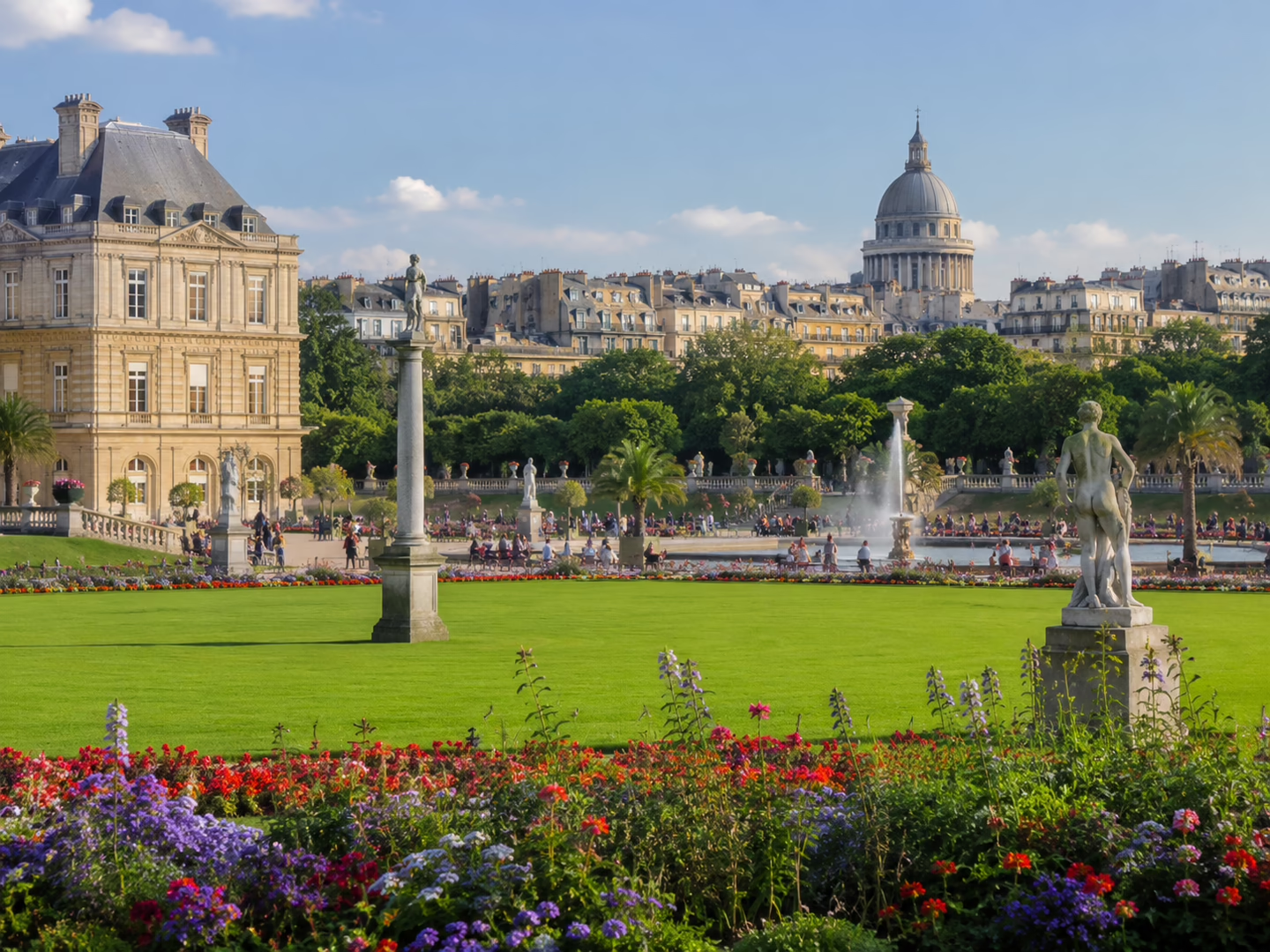
The Left Bank of literary cafés, bookshops and the Luxembourg Gardens. Elegant and calm, ideal for culture lovers and unhurried walks.
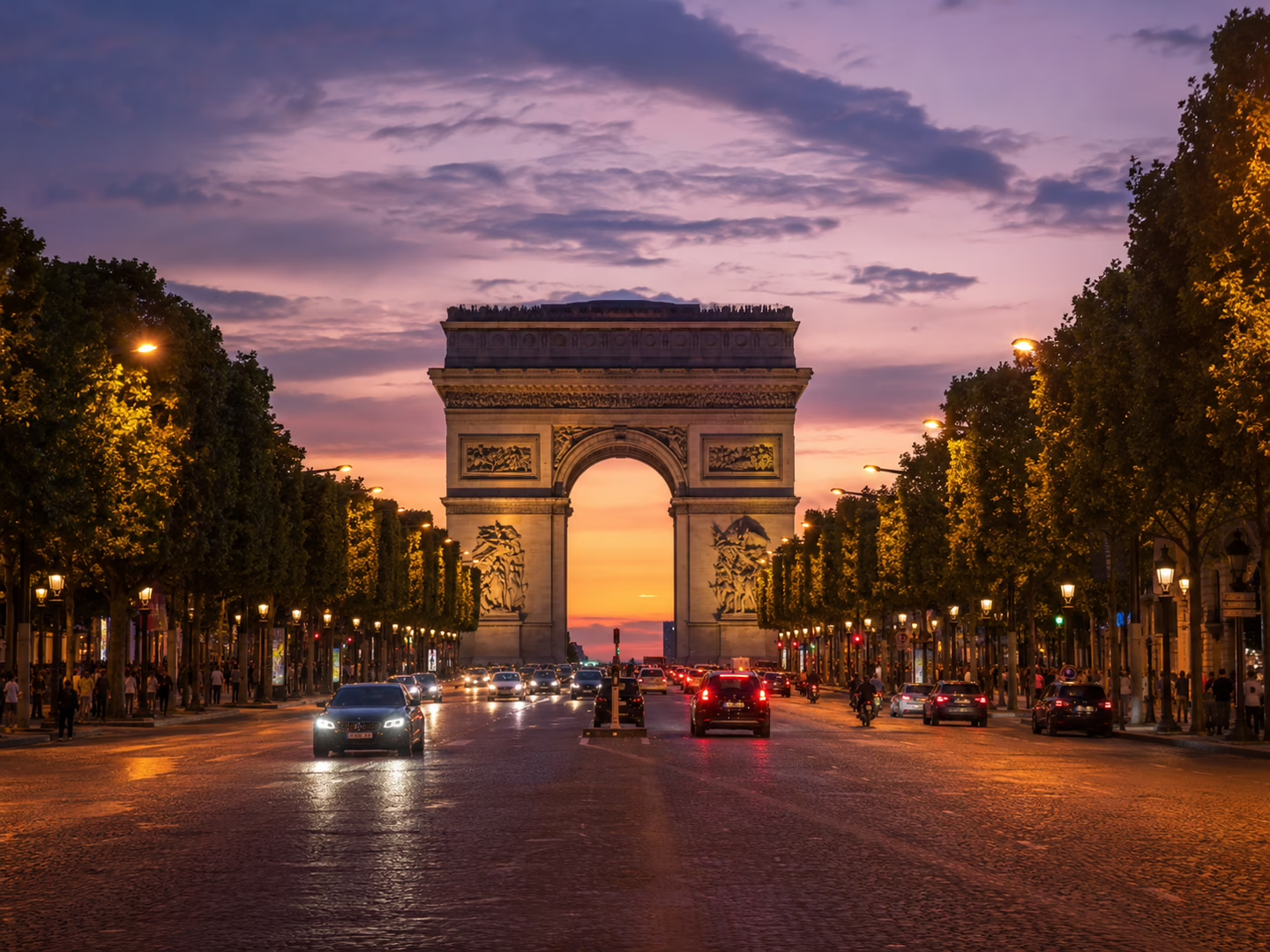
Grand, monumental Paris, with wide avenues and the best views of the tower. Handy for those who prioritise the icons and upmarket hotels.
Bohemian and village-like on its hill, among vineyards, staircases and artists' squares. Very romantic, though the slopes call for comfortable shoes.
Modern, local Paris, with bars, specialty-coffee cafés and trendy restaurants. The best area for younger travellers and night owls.
Our selection: rating, location and that special something.
The small details that make travelling easier.
The metro and RER network links the whole city and the airports; a rechargeable travel card saves you queuing. Check fares and routes on the official Paris transport website.
The Louvre, the Eiffel Tower and other high-demand sites use timed-entry tickets; buy in advance on their official websites to skip long waits.
Cards are accepted almost everywhere, but it's worth carrying some cash for markets, small bakeries and the occasional tip.
Greeting in French when you walk into a shop or café is genuinely appreciated; a “bonjour” and a “merci” transform the way you're treated.
On the metro, in museum queues and busy tourist spots, keep an eye on your bag and pockets. Nothing to fear if you keep valuables close and in sight.
Many museums close one day a week (the Louvre on Tuesdays, the Orsay on Mondays), so check the schedule before you go and book the big ones early.
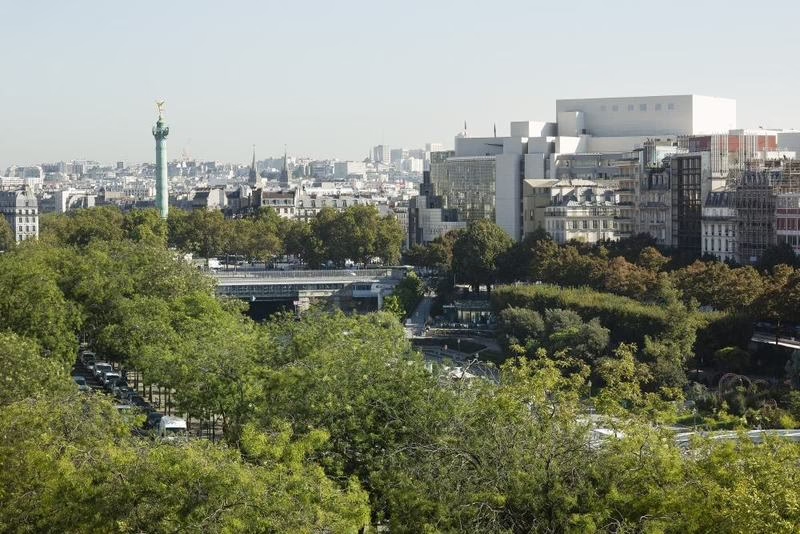
Glimpses of the destination to whet your appetite.
Spring (March to May) and autumn (September to November) offer the best balance of pleasant weather and fewer crowds. Summer is warm but very busy, while winter is quieter and more festive.
Thousands of travellers already trust us